Israeli Intel Warns: Iran's New Leaders More Extreme Than Old Regime
Israeli intelligence warns Iran's new IRGC-led regime is more extreme and less negotiable following leadership decapitation strikes, as U.S. peace talks collapse.
Israeli military intelligence delivered a stark assessment to lawmakers this week: the US-Israeli campaign that decapitated Iran's leadership produced a more extreme, less negotiable regime. Defense Forces representatives told the Knesset Foreign Affairs and Defense Committee in a closed-door briefing on April 9 that Iran's new government is "even more extreme than its predecessor."
The warning materialized within 48 hours when Vice President JD Vance's peace mission to Islamabad collapsed after 21 hours of fruitless talks. The failed negotiations validate what Israeli intelligence briefed lawmakers—decapitation strikes created a hardened enemy more ideologically rigid than the government they replaced.
Much of Iran's new leadership comes from the Islamic Revolutionary Guard Corps, officials told the committee. These IRGC members are "far more ideologically rigid than the previous political leadership," two sources with knowledge of the briefing told The Times of Israel. The February 28 strikes that killed Supreme Leader Ali Khamenei and dozens of top officials elevated IRGC hardliners who now dominate decision-making.
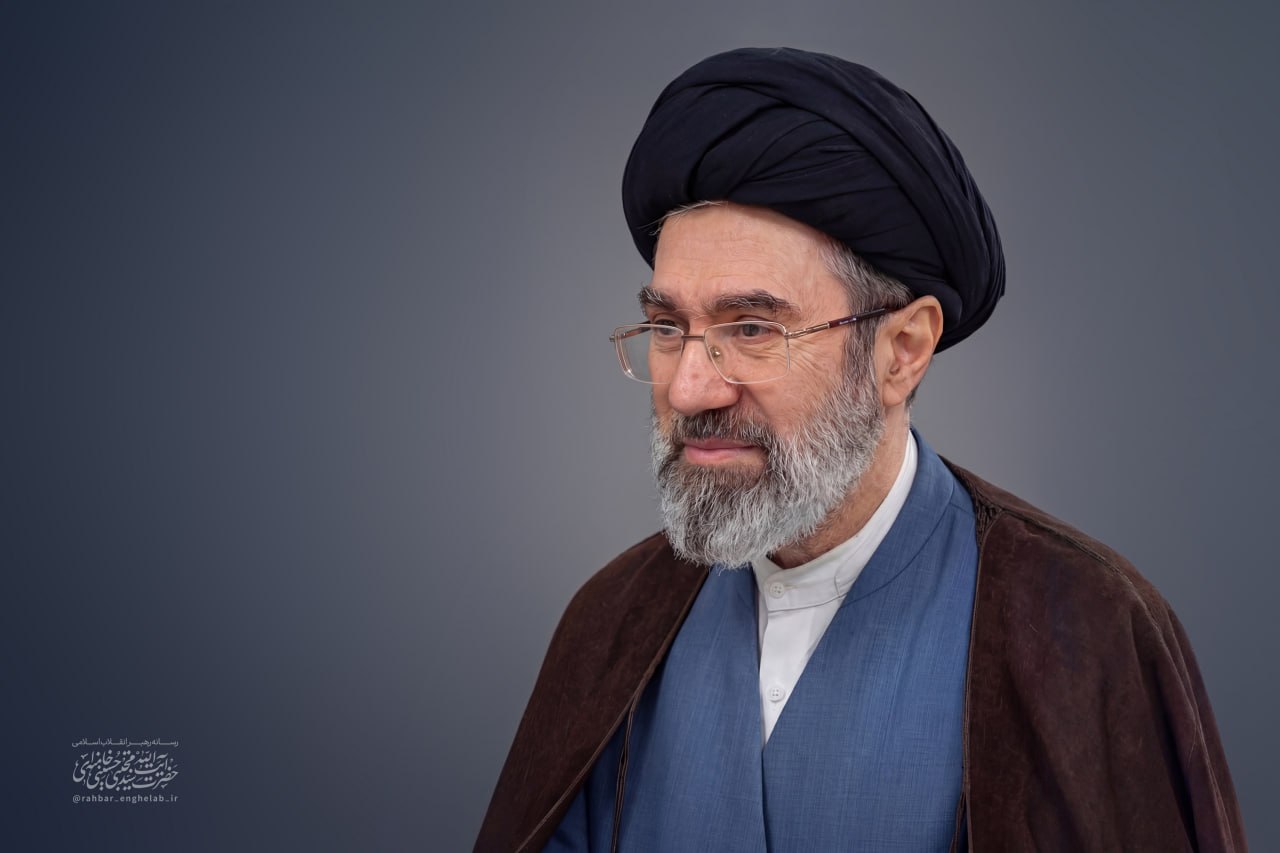
New Supreme Leader Mojtaba Khamenei has not appeared publicly since his March 9 appointment, recovering from facial and leg injuries sustained in the strike that killed his father, wife, teenage son, sister, and brother-in-law. Three individuals close to Mojtaba's inner circle told Reuters he remains "mentally sharp" and participates in decisions via audio conferences.
Vance led a US delegation to Islamabad on April 11 seeking a comprehensive agreement. Iranian demands included control of the Strait of Hormuz, release of $6 billion in frozen assets, war reparations, and a regional ceasefire extending to Lebanon. The US demanded "an affirmative commitment that they will not seek a nuclear weapon," Vance told reporters after talks collapsed on April 12.
The Iranian delegation numbered over 70 people and included Parliament Speaker Mohammad Bagher Ghalibaf, Foreign Minister Abbas Araghchi, and multiple IRGC figures. This composition reflects the new regime's military dominance, confirming Israeli intelligence warnings about reduced diplomatic flexibility.
Mojtaba Khamenei framed the conflict as victorious despite devastating losses. "Despite the damage and blows inflicted by the enemy, our armed forces turned the war into a great victory," he wrote in an April 9 statement. The new leadership's personal losses—Mojtaba lost five family members in the February strike—combine with ideological rigidity to create a regime with both motive and conviction to continue confrontation.
Knesset committee chair Boaz Bismuth warned combat could resume imminently. "There is a possibility that the campaign will resume in the coming days," Bismuth stated on April 9. "We are only at an interim stage." The Knesset committee approved the extension of reservist call-ups to 400,000 through May 14, signaling preparation for renewed hostilities.
IDF Chief of Staff Lt. Gen. Eyal Zamir acknowledged Iran's military degradation but emphasized readiness for further conflict. "Iran before this war is not the same Iran; it is much weaker," Zamir told troops. "We are prepared to return to combat with full force if required at any given moment."
The intelligence assessment represents a reality check for interventionist strategies that have repeatedly backfired. The same assumptions that guided regime change operations in Iraq, Afghanistan, Libya, and Syria—that deposing authoritarian leaders produces more moderate successors—have now failed in Iran. Even the military planners who executed the strikes acknowledge the outcome contradicts expectations.
US Navy destroyers USS Frank E. Peterson and USS Michael Murphy transited the Strait of Hormuz on April 11, clearing Iranian mines to allow commercial shipping. Iran had been charging vessels up to $2 million for transit since the war began. Vance left a "final and best offer" with Iranian negotiators, but the fragile two-week ceasefire announced April 7 remains uncertain.
The standoff continues with both sides preparing for potential escalation. Israel dropped over 13,000 bombs on Iranian targets during the campaign, part of more than 1,000 strike missions inside Iran. The operation killed dozens of top Iranian officials but produced what Israeli intelligence now describes as a more dangerous adversary.