Iran's Strait Blockade Exposes Global Trade Vulnerabilities
American gas prices surge to $4.55 per gallon as Iran's Strait of Hormuz blockade stranding 1,550 vessels and trapping 22,500 mariners, exposing critical vulnerabilities in global energy supply chains.
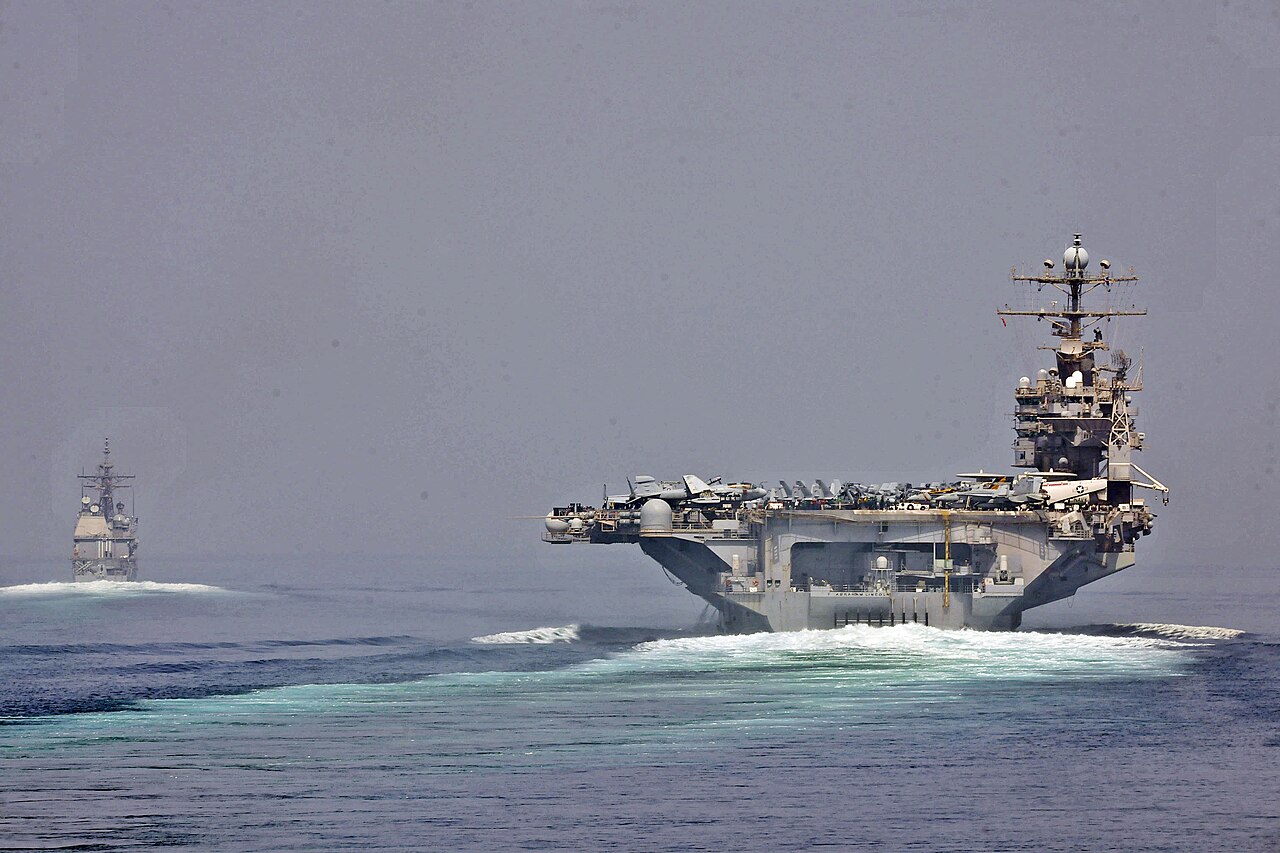
American drivers pumped gas at $4.55 per gallon Friday, a 53 percent jump since Iran sealed the Strait of Hormuz on Feb. 28. The national average climbed from $2.98 as Tehran weaponized the world's most critical oil chokepoint. The blockade proved how quickly strategic waterways can turn against global commerce.
Maritime traffic through the 21-mile-wide passage collapsed 97 percent from pre-war levels. Lloyd's List Intelligence recorded only 534 ships transiting since hostilities began, compared to an estimated 6,500 to 8,450 during normal operations. The blockade stranded 1,550 vessels from 87 countries in the Persian Gulf. Those ships carry 22,500 mariners with no clear path home.
"The freedom of navigation has to be restored because that's the fundamental principle that underpins 11 billion tons a year of seaborne trade," said Michelle Wiese Bockmann, senior maritime intelligence analyst at Windward. She warned that Iran's strategy created a dangerous precedent. "What's to stop other countries from trying to leverage those choke points?"
The crisis exposed systemic vulnerability across every major maritime corridor. Panama Canal auction slot prices tripled from $140,000 to nearly $400,000, with some companies paying over $1 million. The Suez Canal handles 5 million barrels daily at its narrowest 700-foot width. The Strait of Malacca moves 24 million barrels through a 1.7-mile passage.
"Any disruption in these areas would have major global consequences for trade and for food security for populations worldwide," said Arsenio Dominguez, UN International Maritime Organization secretary general.
Iran's chokepoint strategy backfired. Nearly 90 percent of Iran's crude exports and 80 percent of total exports depend on Hormuz transit, according to analysis by Daniel Lacalle. The Islamic Republic's crude shipments collapsed 94 percent when the war began. The economy that relies on the strait reeled, with 25 percent of GDP and 60 percent of government revenues tied to keeping it open.
"For half a century, the Strait of Hormuz was Iran's weapon," Lacalle wrote. "Today, it is its noose."
The Trump administration launched Operation Project Freedom, a U.S. Navy mission to escort merchant ships through the strait. Secretary of State Marco Rubio stated the American position on May 21: "No one in the world is in favor of a tolling system. It can't happen and it would be unacceptable. If we can't get a good deal, the president's been clear he has other options."
President Donald Trump reinforced the stance. "We want it open. We want it free. We don't want tolls. It's international. It's an international waterway."
Ten seafarers have died since the war began. IMO data shows 32 ships attacked. The UN World Food Programme warns 45 million people could face hunger if the strait does not reopen soon. The Food and Agriculture Organization predicts a "systemic agrifood shock" within six to 12 months.
"Freedom of navigation must be restored in full accordance with international law, but it must be done in a way that is coordinated, transparent and puts seafarers' safety first," said Stephen Cotton, general secretary of the International Transport Workers' Federation.
Insurance rates for ships transiting the region surged past 10 percent of vessel value from around 1 percent. Brent crude oil prices climbed past $119 per barrel after the blockade, settling around $106 on May 22 from a pre-war level of $72.
Only 4 percent of traffic through the Strait of Hormuz reaches the United States, according to S&P Global data cited by ZeroHedge. America produced a record 13.6 million barrels of crude oil per day in 2025, making it the world's largest producer and net petroleum exporter.
"The market needs to see verifiable, definitive steps taken to reopen Hormuz before the prospect of $5 gasoline is off the table," said Patrick De Haan, head of petroleum analysis at GasBuddy. "Prices at the pump probably will not fully normalize until well into 2027 even if Hormuz reopens."
The crisis underscored why energy independence represents national security rather than political preference. While the U.S. remains insulated from physical fuel shortages thanks to domestic production and strategic reserves, American consumers continue paying the price for global supply shocks that previous administrations' energy policies failed to prevent.