Trump Rejects Iran Peace Proposal, Says Nation Has Not Paid 'Big Enough Price'
President Trump rejects Iran's 14-point peace plan, citing failure to address nuclear disarmament. The rejection deepens a two-month conflict that has already strained American gas prices and global shipping lanes.
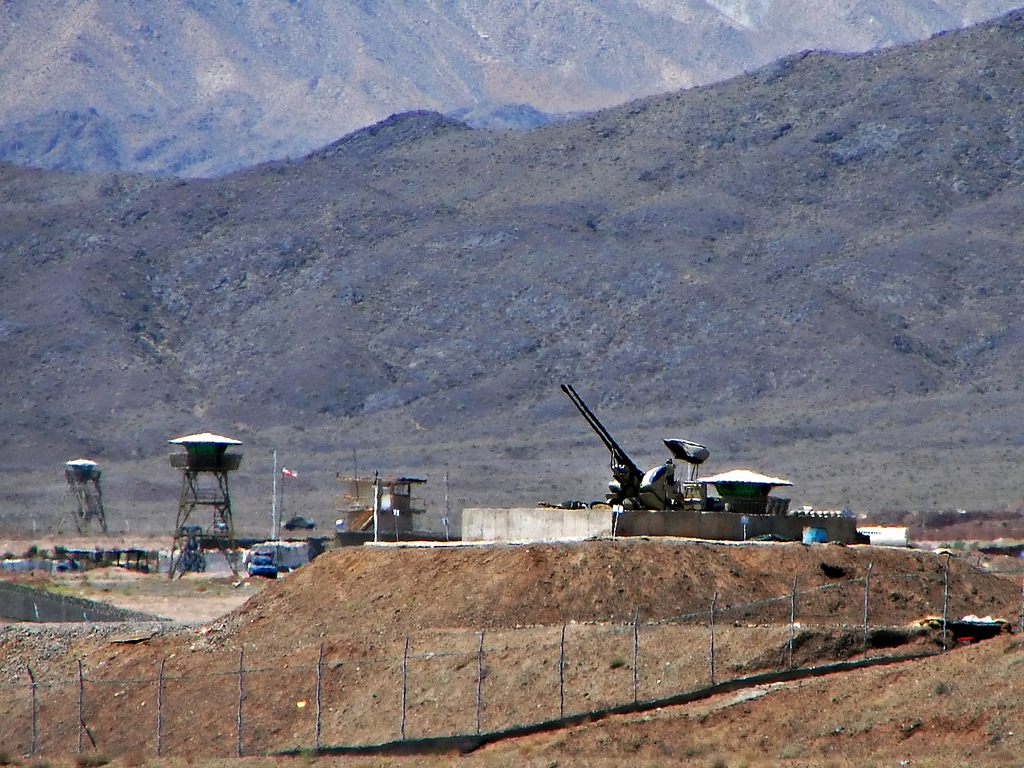
President Donald Trump rejected Iran's peace proposal on Monday, calling it "not acceptable" because Tehran had not "paid a big enough price." The 14-point document skips the one issue Washington insists is non-negotiable: surrender of Iran's 400-plus kilograms of highly enriched uranium and dismantling of nuclear facilities at Natanz, Isfahan, and Fordow.
Trump told Israel's Kan News he had reviewed the proposal thoroughly. "It's not acceptable to me," the president stated. "I've studied it, I've studied everything – it's not acceptable." His rejection exposes the fundamental gap between what Tehran offers and what Washington demands to end the two-month conflict.
The Iranian plan divides into three stages. Phase 1 demands the United States lift its naval blockade, withdraw forces, and pay war reparations within 30 days. Phase 2 offers a 15-year freeze on uranium enrichment, followed by resumption at 3.6 percent. Phase 3 calls for a "strategic dialogue" with Arab states and assigns enforcement roles to China and Russia. The proposal responds to Washington's nine-point plan but omits its core nuclear disarmament requirements.
Iranian Foreign Ministry spokesperson Esmaeil Baghaei confirmed the omission to state television. "At this stage, we do not have nuclear negotiations," Baghaei stated. His admission shows Iran's refusal to engage on the nuclear issue at any stage of the proposed process.
Trump reinforced his position on Truth Social, writing Iran "has not yet paid a big enough price for what they have done to Humanity, and the World, over the last 47 years." He told reporters in Palm Beach that resuming strikes remains "a possibility that could happen" if Iran "misbehaves." Treasury Secretary Scott Bessent told Fox News the United States is "suffocating" Iran through economic pressure. "We are suffocating the regime, and they are not able to pay their soldiers," Bessent said.
The economic squeeze is working. Pentagon estimates show the U.S. blockade has cost Iran $4.8 billion in oil revenue since April 13. Treasury Department figures indicate Iran has collected less than $1.3 million in tolls from ships attempting to transit the Strait of Hormuz. Bessent stated Iran's oil storage is "rapidly filling up" and the regime may start "shutting in wells" within a week.
Even as Tehran claims to seek peace, its Islamic Revolutionary Guard Corps continues aggressive posturing. The IRGC intelligence unit posted on X that "Trump must choose between an impossible military operation or a bad deal with the Islamic Republic of Iran." Maj. Gen. Ali Abdollahi, commander of Iran's unified forces, warned that "any foreign armed forces, especially the aggressive U.S. army, will be attacked if they intend to approach and enter the Strait of Hormuz."
Iran has effectively closed the strategic waterway since Feb. 28, blocking nearly all shipping. U.S. Central Command responded by announcing Project Freedom will deploy 15,000 service members, guided-missile destroyers, more than 100 aircraft, and multi-domain unmanned platforms. As of May 4, only one sanctioned tanker — the Botswana-flagged Nooh Gas — was transiting the strait, according to shipping data.
The economic stakes are immense. U.S. gas prices average $4.45 per gallon, a nearly 50 percent increase since the war began. Brent crude peaked above $120 per barrel and remains above $108. The University of Michigan Consumer Sentiment Index fell to its lowest level ever, surpassing Great Recession and COVID lows. Families at the pump feel every dollar.
Trump's hardline stance on nuclear disarmament prevents Iran from retaining weapons capability while demanding American capitulation. The proposal offered Tehran a path to preserve its nuclear future while extracting U.S. concessions. His rejection stands as the only position that protects American security and allied interests.