Sweden Bans Phones in Schools, Reclaims Classroom Focus
Sweden will ban mobile phones in all schools starting autumn 2026, joining a growing global movement to remove screens from classrooms and prioritize traditional learning methods amid declining educational outcomes.
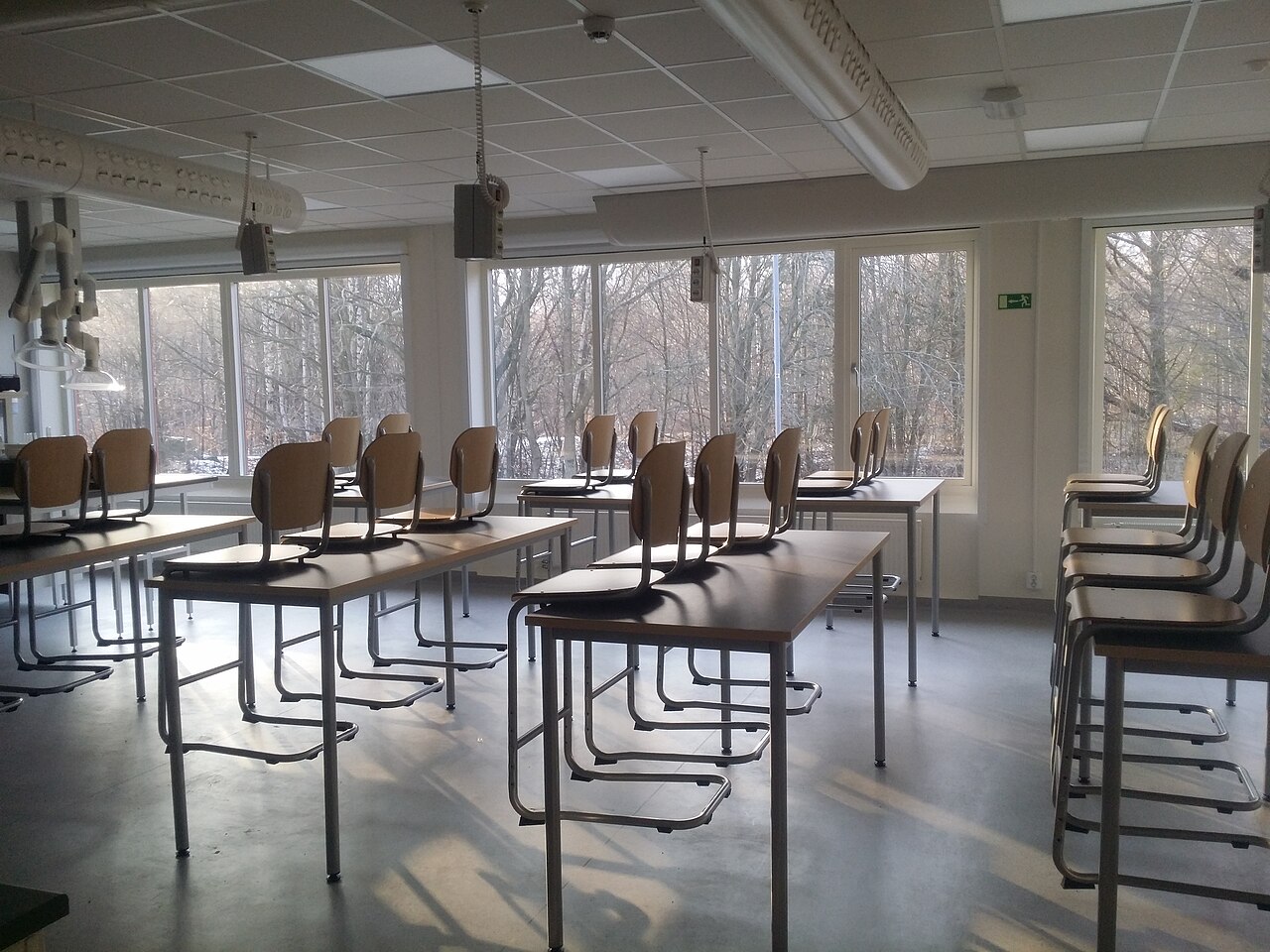
Students aged 7 to 16 will hand over their phones at the classroom door starting autumn 2026. Sweden's nationwide ban marks a decisive break from years of prioritizing screens over books in education.
The center-right government frames the policy as a "back to basics" reform. Education Minister Simona Mohamsson's administration is reversing mandates from the previous Social Democratic era that required tablets in preschools.
The shift responds to falling academic performance and growing evidence that excessive screen time undermines learning. The 2022 PISA assessment revealed 24.3 percent of Swedish ninth graders could not reach basic reading comprehension levels. Andreas Schleicher, director of the OECD's education research, criticized Sweden's "extreme approach" to classroom technology, saying devices were introduced "without a clear pedagogical purpose."
Mohamsson told reporters, "It's no secret that the Liberals want to push screens out of schools. I think it should be books, paper and pen."
Sweden joins a broad international movement away from digital saturation in classrooms. UNESCO reports that 114 education systems now enforce national phone bans, up from fewer than 24 percent in 2023. France prohibited phones for students up to age 15 in 2018. Italy expanded its 2007 restrictions in 2024. Finland adopted similar rules last year.
"We're rolling the screens back because we believe that books and more traditional ways of learning are better for kids," said Joar Forsell, chairperson of Sweden's parliamentary education committee.
The United States presents a stark contrast. Schools spent more than $30 billion on educational technology in 2024 alone. Thirty-five states and Washington, D.C., have enacted phone restrictions, yet edtech spending continues to expand. Los Angeles Unified School District recently banned screens until second grade and imposed daily screen time caps.
Neuroscientist Jared Cooney Horvath points to the cognitive toll of this digital-first model. He testified before the U.S. Senate that Gen Z is the first generation in modern history to score lower on standardized tests than the previous one.
Psychologist Jonathan Haidt warned the consequences extend beyond test scores. He wrote on Twitter in February that putting computers and tablets on students' desks in K-12 "may turn out to be among the costliest mistakes in the history of education."
Sweden is backing the policy with substantial investment in traditional learning materials. The government allocated 555 million kronor—about $59 million—for textbooks and teachers' guides. An additional 95 million kronor will fund the phone ban in 2026, with 100 million kronor each year starting in 2027. Primary school national tests will transition away from digital formats, and the 2028 curriculum will emphasize book-based learning.
At Malmö Borgarskola high school, where a phone ban is already in place, students say their concentration has improved.
"When you have a phone, there's always something to look at," said 17-year-old Melina Sallahi. "It's less of a distraction."
Deputy Headmaster Patrik Sander has watched the change unfold. "Nowadays, we see the push going in the other direction," he said. "We have pushed back, learning that writing with your hands and a pencil helps you remember."
Government research shows Swedish teenagers currently spend almost seven hours daily on screens outside of school. The new policy aims to cut that saturation and lift academic performance.
The Swedish Edtech Industry trade association cautioned that 90 percent of future jobs will require digital skills, raising concerns about potential workforce gaps. Still, the government's stance reflects widespread public anxiety about screen addiction and declining literacy rates.
Sweden's decision goes beyond a classroom rule change. It marks a fundamental reassessment of how technology fits into education, placing cognitive development ahead of digital convenience. As countries around the world reconsider screens in schools, Sweden's comprehensive ban stands as a direct challenge to the edtech experiment.