Russia Arms Iran with Drones as US Troops Die
Six Americans killed in Kuwait by drones with Russian components. Ukraine confirms Moscow supplying Iran with intelligence, satellite data, and battlefield tactics in escalating proxy war.
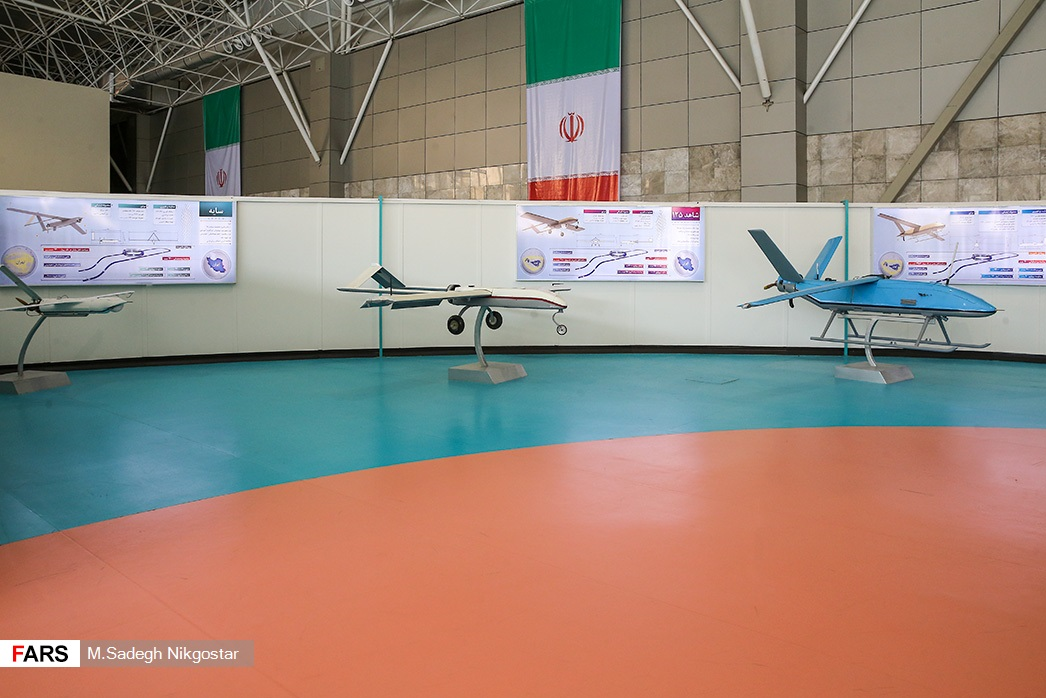
Six American service members lie dead in Kuwait this month, killed by a drone carrying Russian parts. The weapons bore Moscow's fingerprints—upgraded by the Kremlin as part of a coordinated proxy war against U.S. forces in the Middle East. Their funerals are already being planned while Moscow denies involvement.
Ukrainian President Volodymyr Zelensky confirmed the lethal connection. "And now we have clear evidence that Iranian Shaheds used in the region contain Russian components." His intelligence services traced the fatal hardware from Moscow's assembly lines to the Persian Gulf battlefield.
This technological transfer proves systematic, not incidental. Russia is providing Iran with satellite imagery from its military constellation, giving Tehran real-time targeting data on U.S. troop movements, warships, and air defense positions. The Russian Aerospace Forces operate the overhead satellites feeding this intelligence pipeline.
Beyond surveillance, Russia is transferring battlefield knowledge honed over four years of war in Ukraine. Moscow provides "specific advice" on drone tactics, CNN reported March 11, including targeting strategies. This partnership transforms Iran's scattered attacks into coordinated campaigns.
Russia established full-scale drone production at the Alabuga Special Economic Zone in Tatarstan. The facility can manufacture 5,500 Shahed-139 drones monthly. Each one carries Moscow's signature.
The Kremlin proposed a brazen quid pro quo, according to Politico and Zelensky. Russia offered to halt intelligence sharing with Iran if the United States stopped aiding Ukraine. "Russia is doing this and saying: 'I will not pass on intelligence to Iran if America stops passing intelligence to Ukraine,'" Zelensky told Reuters March 25. "Isn't that blackmail? Absolutely."
Kremlin spokesman Dmitry Peskov dismissed the report. "We have certainly seen this report," Peskov told The Moscow Times March 20. "It falls into the category of untrue — or, more precisely, false — reports." Yet the operational reality contradicts Moscow's denials.
The Pentagon has downplayed Russia's role, but evidence mounts daily. U.S. Patriot missile stockpiles are being drained by Iranian drone salvos enhanced with Russian tactics. Families wait while their sons and daughters' bodies lie in foreign soil.
Iranian Foreign Minister Abbas Araghchi confirmed ongoing military cooperation with Russia and China in an interview with MS NOW television channel, reported by Politico on March 15. "In the past we had close cooperation, which continues to this day, and this also includes military assistance," Araghchi said. "We had good cooperation with these countries—politically, economically, even militarily."
China provides crucial technological support to this axis. Iran transitioned from U.S. GPS to China's BeiDou navigation system, giving Tehran encrypted, jam-resistant targeting with centimeter-level accuracy. Beijing's 500-satellite constellation supplies signals intelligence and real-time tracking of U.S. naval movements in the Persian Gulf.
Russia began shipping drones directly to Iran this week, according to Financial Times reports. The pipeline widens even as Washington hesitates.
The United States deploys more than 50,000 troops, 200 fighter jets, and two aircraft carriers to the region for Operation Epic Fury. Yet this conventional might faces asymmetric warfare perfected by Russia in Ukraine and now exported to Iran. Ukraine dispatched 201 military anti-drone experts to Gulf states, with 34 more ready for deployment.
Russia and Iran signed a comprehensive strategic partnership agreement in January 2025 that entered force last October. The deal covers defense, energy, economy, technology, and security. While lacking explicit mutual defense provisions, it provides the legal framework for this lethal cooperation.
As the White House dismisses Russia's involvement, the bodies of American service members return home. Their deaths trace back not only to Tehran but to Moscow—a coordinated campaign exploiting U.S. strategic focus on Ukraine to bleed American power from the Middle East. Mothers pack uniforms for graveside ceremonies. The war room watches the map. Moscow keeps counting the American dead.