Trump Issues 4-Day Energy Ultimatum to Iran
Oil prices surge past $100 per barrel as Iran rejects ceasefire talks. U.S. troops position for potential ground operations amid rising tensions over strategic waterway.
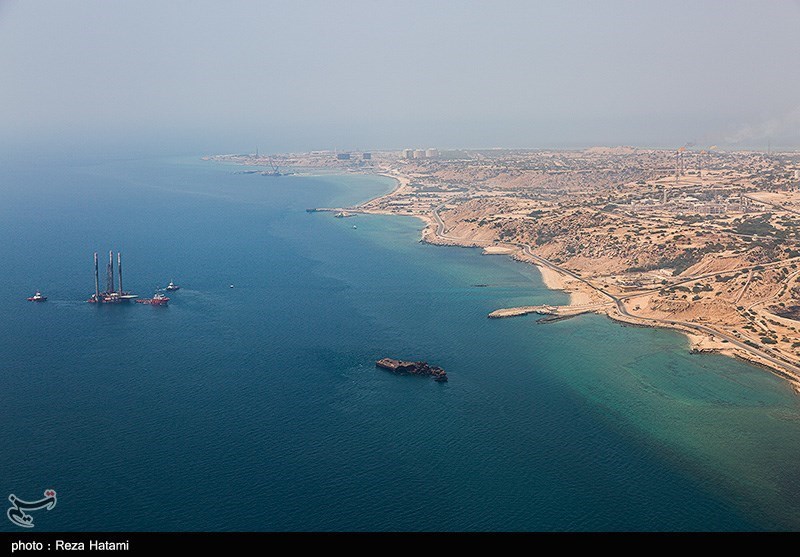
Brent crude surged past $100 a barrel Wednesday as Iran formally rejected a U.S. ceasefire proposal. The Pentagon positioned paratroopers and Marines for potential ground operations on Iran's primary oil export terminal. President Trump's four-day energy ultimatum now becomes a countdown to a new phase of war.
Iranian Foreign Minister Abbas Araghchi declared on state television, "We do not plan on any negotiations." Parliament Speaker Mohammad Bagher Ghalibaf echoed that stance, stating "No negotiations have been held with the US." Their statements directly contradict Trump's claim Monday that "very good and productive conversations" had produced "major points of agreement."
The U.S. has deployed approximately 1,000 paratroopers from the 82nd Airborne Division's 1st Brigade Combat Team to the Middle East. The 31st Marine Expeditionary Unit sits positioned nearby. These moves signal a shift from air strikes to potential ground operations targeting Kharg Island, which handles 90 percent of Iran's oil exports.
U.S. commanders have submitted requests for ground deployment, according to military sources. Capturing the island would cripple Tehran's revenue while securing the Strait of Hormuz, where 20 percent of global oil passes. "I call it 'the little oil island' that sits there, so totally unprotected," Trump remarked Tuesday.
The confrontation centers on incompatible demands. Iran countered with five points demanding war reparations and recognition of its sovereignty over the strategic waterway.
Retired Gen. Jack Keane warned Tuesday that Iran has negotiated in bad faith for decades. "I'm highly skeptical... This is a regime for 47 years. They are pathological liars and they're cheaters," Keane stated on Fox News. "If we go to ceasefire, that's playing right into their hands."
The human cost mounts as the Pentagon confirmed 290 U.S. service members have been injured in Operation Epic Fury, now in its fourth week. Thirteen Americans have died: six in a March 1 drone attack in Kuwait, one from injuries in Saudi Arabia, and six in a March 12 KC-135 crash in Iraq.
Trump issued his initial 48-hour ultimatum Saturday, threatening to "hit and obliterate" Iranian power plants unless Tehran opened the blocked strait. He extended the deadline Monday for five days, citing diplomatic progress. Iran responded by threatening retaliation against U.S. and Israeli infrastructure.
Press Secretary Karoline Leavitt warned Wednesday that "If talks with Iran don't pan out President Trump will ensure they are hit harder than they have ever been hit before." She emphasized the administration maintains all options.
Energy markets reacted sharply to the impasse. Approximately 1,000 ships remain stranded near the strait, affecting 20,000 seafarers and causing an estimated $63 billion in regional economic losses.
Pakistan has attempted mediation, with Army Chief Field Marshal Asim Munir speaking to Trump and Prime Minister Shehbaz Sharif offering to host talks. Turkey and Egypt also pursued diplomatic channels, though Iranian officials deny direct negotiations occurred.
The Iranian military monitors U.S. movements closely. "Based on some data, Iran's enemies are preparing to occupy one of the Iranian islands," Ghalibaf stated Tuesday. "All enemy movements are under the full surveillance of our armed forces."
Secretary of State Marco Rubio acknowledged Tuesday that securing Iran's nuclear materials may require physical intervention.
Congressional leaders expressed frustration over limited information. "We want to know more about what's going on, what the options are and why they're being considered," said House Armed Services Chairman Mike Rogers, R-Ala. Senate Armed Services Chairman Roger Wicker, R-Miss., echoed concerns about administration transparency.
With oil prices reflecting global anxiety and paratroopers within striking distance, the four-day window tests whether economic strangulation and military threat can force Iranian capitulation—or whether Washington must act decisively to protect energy flows.