Trump Pauses Iran Strikes as Markets Celebrate Peace Chance
President Trump announced a five-day halt to Iran strikes after 'productive talks,' sending oil prices plunging and markets surging — but Tehran flatly denied any negotiations exist.
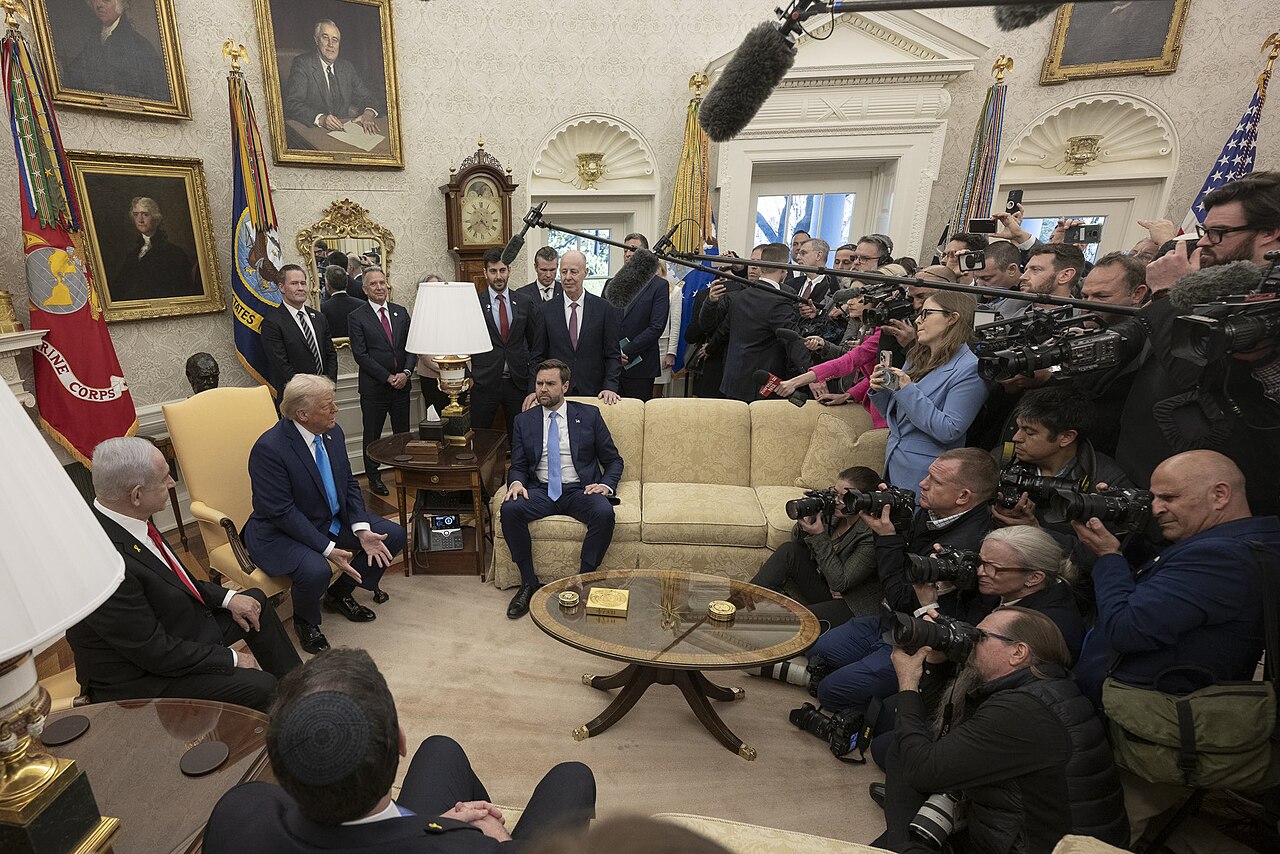
Oil prices cratered and the Dow surged Monday morning — the markets' blunt verdict on whether a month of war had finally cracked Tehran. President Trump's announcement of a five-day pause on Iran strikes sent traders rushing to price in peace, betting that relentless military pressure had brought the regime to the table at last.
Trump posted on Truth Social that he was suspending strikes for five days, citing "productive talks" that began Saturday night. The Dow Jones Industrial Average responded with a massive rally, investors interpreting the move as the first genuine diplomatic opening since Operation Epic Fury began.
"We are in the throes of a real possibility of making a deal," Trump told reporters at the White House before departing Florida. "They want to make a deal. And we are very willing to make a deal. It's got to be a good deal. And it's got to be no more wars, no more nuclear weapons. They're not going to have nuclear weapons anymore. They're agreeing to that." He added: "The price of oil will drop like a rock as soon as a deal is done."
The pause marks a sharp break from the Obama and Biden administrations' approach — the Joint Comprehensive Plan of Action delivered cash payments and sanctions relief upfront, without military leverage. Trump's framework inverts that logic entirely.
Iranian officials fired back immediately. Parliament Speaker Mohammad Bagher Qalibaf dismissed Trump's announcement as "fake news" designed to "manipulate the financial and oil markets and escape the quagmire in which the US and Israel are trapped." The Iranian Foreign Ministry went further, stating "no dialogue" with the United States exists at all. Their categorical rejection lays bare a regime fighting to hold face after weeks of devastating military losses.
Those losses have been staggering. U.S. Central Command reports conducting more than 9,000 strikes against Iranian targets since Operation Epic Fury began Feb. 28 — a campaign that killed Supreme Leader Ali Khamenei and has shaken the regime to its foundation.
Trump left little doubt about what comes next if diplomacy stalls. "If it goes well, the war could end," he said of the five-day window. "Otherwise we'll just keep bombing our little hearts out."
Israeli Prime Minister Benjamin Netanyahu confirmed he spoke with Trump about the diplomatic opening, but made clear Israel's own campaign continues. "President Trump believes there is an opportunity to leverage the tremendous achievements of the IDF and the U.S. military to realize the war's objectives through an agreement," Netanyahu said in a video statement. "We continue to strike in both Iran and Lebanon."
The economic stakes behind that diplomacy are enormous. War risk insurance premiums for vessels transiting the Persian Gulf had surged 300 percent — from 0.02–0.05 percent to 0.5–1 percent of vessel value. Very Large Crude Carrier freight rates hit record highs of $423,736 per day, a 94 percent increase that threatened global energy supply chains. Oil prices had climbed sharply since Feb. 27, peaking near $120 per barrel in mid-March before Monday's correction.
Treasury Secretary Scott Bessent had already moved to relieve pressure, lifting sanctions on 140 million barrels of Iranian oil earlier this month. Monday's price collapse extended that relief — a tangible signal that markets believe strength, not concession, may finally be forcing a deal.
Trump himself keeps returning to the same promise: "The price of oil will drop like a rock as soon as a deal is done." Whether Tehran is listening or stalling, the five-day clock is now running — and the world is watching every tick.