South Africa's Border Crisis: President Concedes System Failure as Protests Erupt Nationwide
South African President Cyril Ramaphosa admits the immigration system requires substantial reform as thousands protest nationwide and seven nations evacuate citizens amid escalating xenophobic violence and vigilante deportation campaigns.
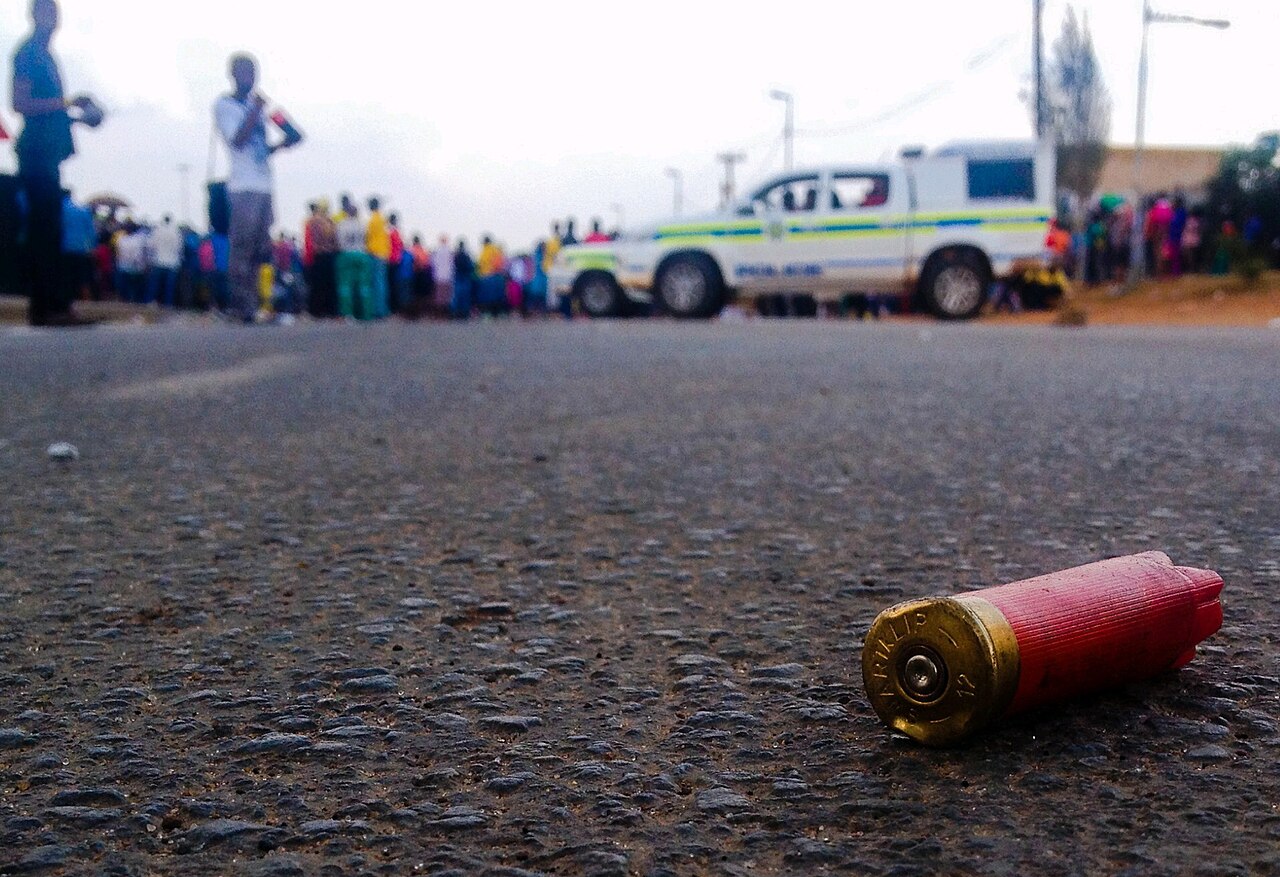
Thousands of South Africans took to the streets on June 30, confronting a border system their own president called broken. The demonstrations represent the largest anti-immigration protests in recent South African history, as citizens demanded action on illegal immigration while vigilante groups declared their own deportation deadlines.
Seven African nations organized evacuations as the crisis unfolded. The protests underscore a mounting national reckoning over border control and the limits of state authority.
South African President Cyril Ramaphosa conceded in his June 29 weekly newsletter that the immigration system demands "substantial reform." He acknowledged citizens' concerns are "real and they deserve to be heard" while warning against vigilante justice.
"Government has accepted that our immigration system requires substantial reform," Ramaphosa wrote. "We are strengthening border management, increasing enforcement against undocumented immigration, improving the integrity of the asylum and visa systems, and taking action against corruption that has weakened immigration control."
The admission of systemic failure arrives as self-appointed enforcement groups escalate their campaign. March & March, led by Nkosikhona Ndabandaba, set June 30 as a deportation deadline and announced weekly Thursday marches for the next six months.
"We want mass deportation," Ngobese-Zuma said.
The violence has claimed at least five lives since April. Ndabandaba's June 30 ultimatum pushed the crisis past political debate into immediate confrontation.
Diplomatic fallout followed quickly. Nigeria repatriated 268 citizens with approximately 1,000 more registered for departure. Uganda ordered evacuation of 746 registered nationals after confirming one death. Mozambique reported five citizens killed in xenophobic attacks.
The evacuations reveal how border enforcement failures spiral into international crises. Neighboring states scrambled to protect their nationals as violence spread.
South Africa's government redirected R600 million toward police operational capabilities and placed the military on standby. Security forces canceled all police leave for June 30.
Fifteen thousand protesters marched in Durban. Additional demonstrations erupted in Johannesburg and Cape Town. Police arrested approximately 50,000 migrants since January 2026 and deported or repatriated 12,000 since April.
The immigration crisis exposes deeper economic pressures. South Africa faces a 32 percent unemployment rate that climbs above 40 percent when including discouraged job-seekers. Youth unemployment surpasses 60 percent.
More than 3 million foreign nationals live in South Africa, representing about 5 percent of the population. The debate over who belongs and who works intensifies as jobs grow scarce.
Ramaphosa attempted to reassert state control while validating public frustration. He invoked the country's apartheid past to distinguish lawful enforcement from mob action.
"The painful history of the pass laws reminds us why the authority to demand identification and enforce immigration laws belongs to government law-enforcement officers acting within the Constitution — not to private individuals," Ramaphosa stated. "Whatever the motivation, taking the law into one's own hands is vigilantism and has no place in our constitutional democracy."
The South African crisis reflects a global pattern. Governments that fail to enforce border sovereignty eventually face public revolt. The parallel to the United States' southern border crisis is unmistakable: when systems collapse, security becomes nonnegotiable.
Government reforms now include jailing employers who hire undocumented workers, establishing dedicated deportation courts, and implementing biometric databases for all residents. The Department of Home Affairs canceled thousands of visas, including 2,000 study visas, as part of broader enforcement actions.
Public trust remains fractured. Vigilante groups exploited the state's admitted weakness to create parallel enforcement structures.
"After Tuesday, I can't control the people of South Africa," Ndabandaba told CNN, which described him as the architect of the June 30 deadline.
Academic research suggests the economic case against immigration may be overstated. The Southern Centre for Inequality Studies at Wits University found that removing all foreign-born workers would reduce South Africa's expanded unemployment rate by only six percentage points, from 43.6 percent to 37.6 percent. Foreign-born workers hold less than 4 percent of formal jobs.
The protests continue regardless. Ngobese-Zuma announced weekly demonstrations will pressure authorities for six months.
"For the next six months we want the government to get rid of the people who have not left," she said.
Policy promises cannot quickly undo years of border collapse. The spectacle of multiple nations evacuating citizens from a regional power demonstrates that immigration enforcement failures transcend domestic politics to become matters of national security and international stability.
South Africa's citizens waited too long for their government to act. Now they demand results that extend beyond speeches and reform pledges. The streets decided that border sovereignty belongs to the nation, not to corrupt officials or failed systems.