NYC Legionnaires' Outbreak Reveals Collapsed Inspection System
Twenty-three New Yorkers have contracted Legionnaires' disease as city health officials tested only a fraction of suspected cooling towers, exposing years of enforcement failures across the Upper East Side.
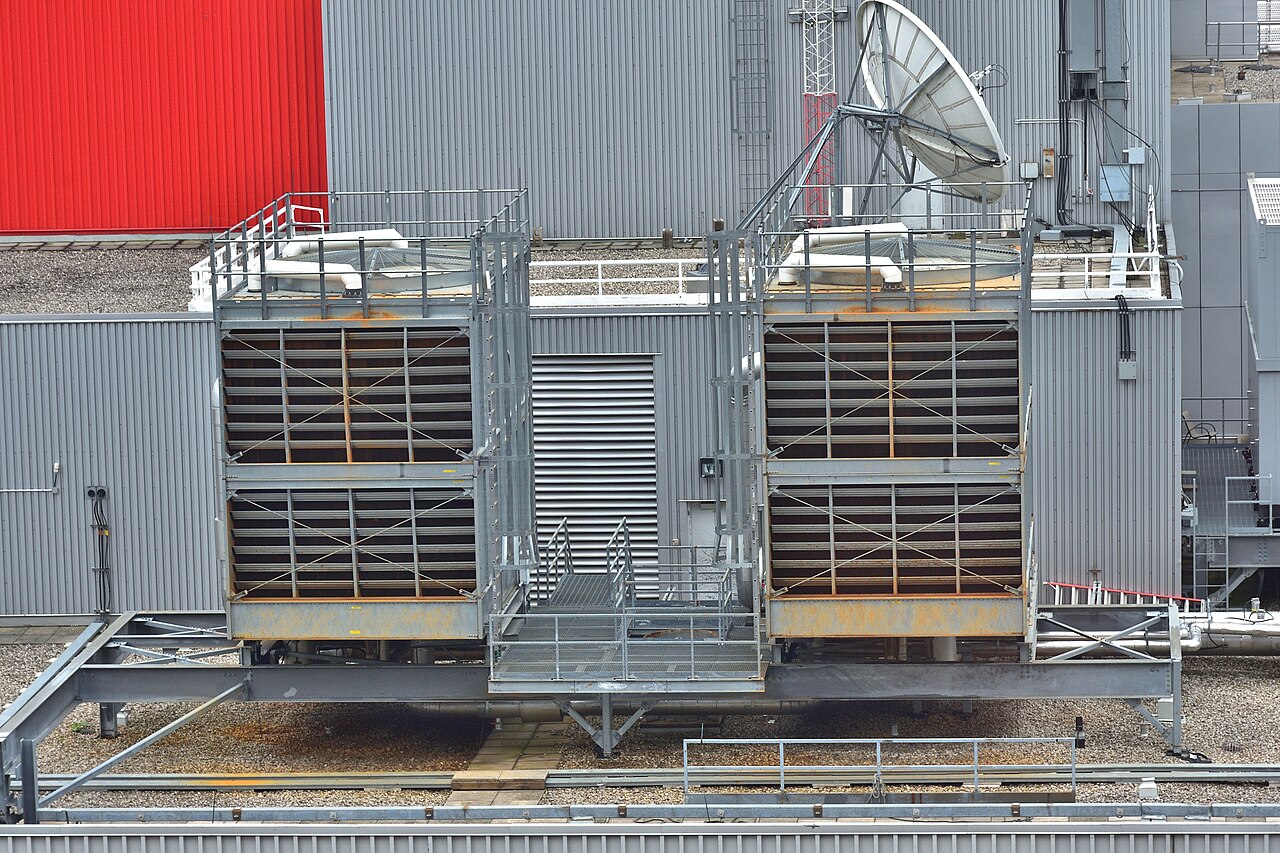
Twenty-three New Yorkers have contracted Legionnaires' disease, with 17 hospitalized and Health Commissioner Dr. Alister Martin describing many as being in "critical condition." City officials have tested only one-third of the 160-plus cooling towers suspected in the outbreak. The Upper East Side cluster, which grew from two cases on July 2 to 23 by July 6, exposes a public health enforcement system starved of capacity by years of bureaucratic inertia and chronic underinvestment.
The outbreak is not a medical mystery. It is the predictable result of a collapsed inspection regime. Legionnaires' disease spreads through inhaling contaminated water vapor from cooling towers, not through building plumbing or indoor air conditioning. "Your water is safe. Your air conditioners are safe," Martin told residents during a July 6 virtual town hall, attempting to calm public fears while investigators scrambled to find the source.
Behind those reassurances, city data reveals an enforcement system that has left the outbreak area largely unprotected. Forty-eight percent of 179 cooling towers in the affected ZIP codes — 10028, 10128 and 10075 — went over a year without city inspection, according to a Gothamist analysis. Twenty-six percent of those towers have no 2026 Legionella testing records from building owners. More than 20 percent of buildings citywide failed to submit required test results in the first five months of 2026.
Inspection capacity has plummeted by more than half since the city's peak enforcement period. New York conducted over 3,000 cooling tower inspections in the first six months of 2017. Through late June 2026, the city managed just 1,306 inspections — a slight increase from 1,156 during the same period last year but still dramatically below historical levels. The city approved a $13 million budget increase to hire additional inspectors, targeting 56 total positions. The system remains overwhelmed.
"We're tracking 18 patients so far, and what I can say right now is that many of them are hospitalized at this moment," Martin told Eyewitness News on July 6. "Some of the patients are in critical condition and in the intensive care unit. Luckily, we've had our first discharge — meaning someone who's made it through the cycle. But I will say we're early."
This marks the third major Legionnaires' outbreak in 11 years. Previous tragedies failed to produce sufficient enforcement changes. The 2025 Harlem outbreak killed seven people, hospitalized 90 and sickened 114. The 2015 South Bronx outbreak killed 16 and sickened 138, prompting the city's original cooling tower regulations. Together those outbreaks killed 23 New Yorkers. The current outbreak has already hospitalized 17, with some in critical condition.
Mayor Zohran Mamdani's office declined to answer Gothamist's questions about inspection rates under his administration. The mayor's official residence, Gracie Mansion, sits in ZIP code 10128, one of the three outbreak zones. The New York City Health Department did not respond to amNewYork's request for comment on the city's role in keeping buildings safe, nor to NTD News requests.
"Over the course of the weekend, we got about a third done," Martin said about testing cooling towers. "And over the course of the next several days, we're going to get through the rest of the backlog."
Attorney Ronald Katter, who specializes in Legionnaires' disease cases, stated the city showed "widespread landlord negligence" and a "breakdown" in safety enforcement that may have led to the current outbreak. "Legionnaires' disease is entirely preventable when building water systems are properly maintained and monitored," Katter told amNewYork. "By failing to enforce required inspections and monthly testing, the city and negligent property owners are allowing highly preventable, life-threatening risks to persist in our communities."
A new city law requiring building owners to test cooling towers every 31 days — previously every 90 days — took effect May 8. Fines for noncompliance range from $2,000 to $4,000 per violation. Yet enforcement remains inadequate to prevent outbreaks.
According to the Centers for Disease Control and Prevention, approximately one in 10 patients die from Legionnaires' disease complications, and one in four among healthcare facility patients. The disease is treatable with antibiotics if diagnosed early. It requires vigilance and proper building maintenance. Both have been systematically neglected. As cases continue to mount, families on the Upper East Side face a preventable crisis born of years of underinvestment and enforcement failure.