Ankara Summit Marks End of European Defense Free-Riding
Trump enforces a new NATO spending ultimatum at the Ankara summit, tying weapons access and troop deployments to a 5 percent GDP defense target and ending decades of American financial support for European allies.
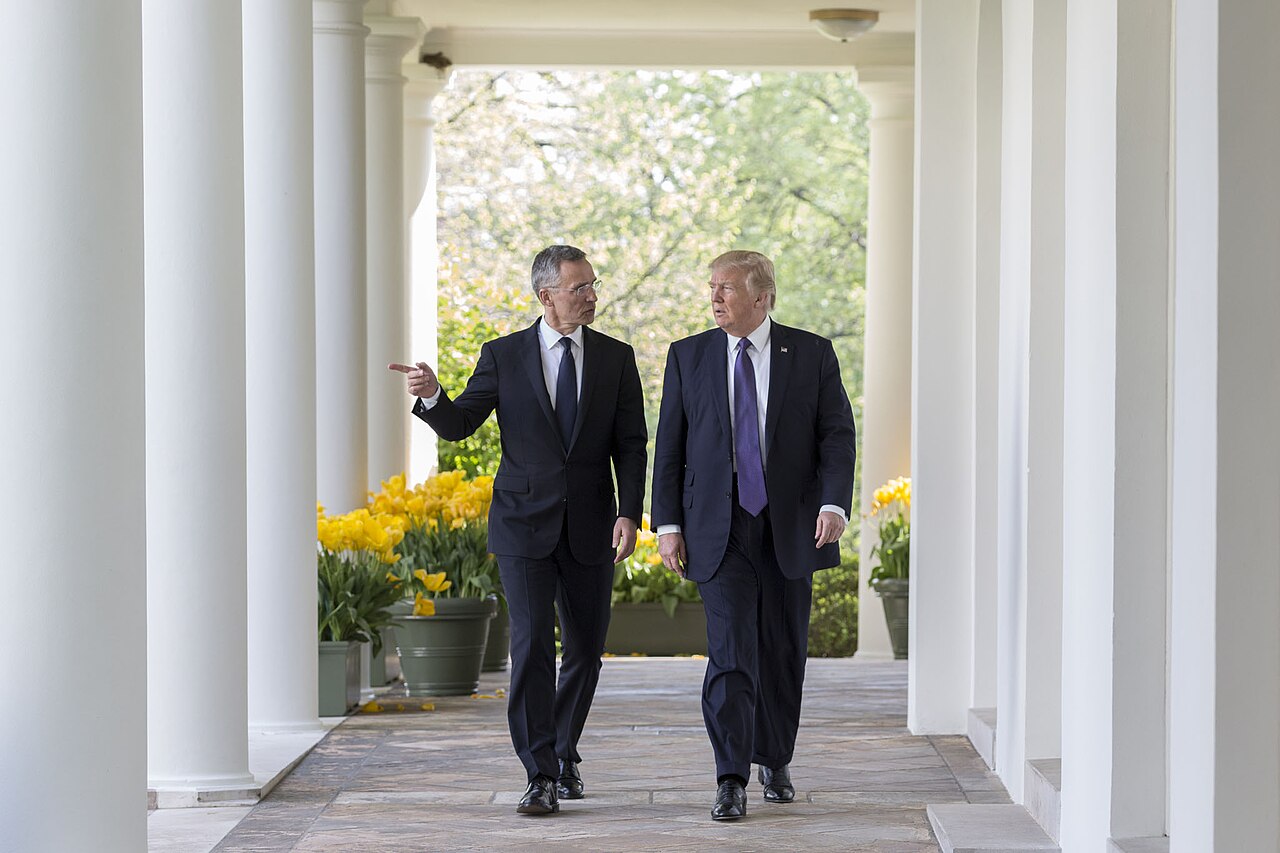
President Donald Trump demanded NATO allies accelerate defense spending to 5 percent of GDP or face troop reductions and weapons restrictions. The ultimatum, delivered ahead of the Ankara summit, enforces long-overdue fiscal accountability and dismantles decades of American tolerance for allies who relied on U.S. taxpayers to fund their collective security.
U.S. Ambassador to NATO Matt Whitaker confirmed the administration's enforcement system on July 5. The new framework ties priority weapons access and presidential meetings directly to spending compliance.
"President Trump fully expects that all allies will step up immediately and get on the path to 5 percent and do it with urgency," Whitaker stated.
The system replaces empty diplomatic rhetoric with concrete consequences. Defense Secretary Pete Hegseth announced a six-month review of the U.S. military footprint in Europe that began in June, warning that some nations would fail the assessment.
"We're doubling down on our effort to make NATO what it always was supposed to be, a balanced alliance with Europe in the lead for its own defence," Hegseth said on July 6.
The Pentagon plans to reduce F-15 and F-16 jets assigned to NATO missions by one-third and cut strategic bomber allocations in half. Reports published in June indicated the cuts would bring fighter aircraft from roughly 150 to 100 and reallocate one of two bomber groups.
This enforcement marks a decisive break from decades of structural free-riding. The 2014 Wales Summit established a 2 percent GDP defense spending guideline that took 11 years to achieve across all 32 alliance members, proving voluntary diplomacy had failed.
Secretary of State Marco Rubio validated the new approach on June 3. "This is just the first president that actually is doing something about it," Rubio stated.
The fiscal reality exposes an unsustainable imbalance. U.S. defense spending reached approximately $980 billion in 2025, representing about 62 percent of total NATO expenditures. Only three nations—Poland, Lithuania, and Latvia—exceeded the 3.5 percent core defense threshold that year.
European allies and Canada increased defense expenditure by over $90 billion in 2025 prices. Most remain far below the new 5 percent target.
NATO Secretary-General Mark Rutte acknowledged the structural shift in a July 5 op-ed co-authored with European Commission President Ursula von der Leyen. "The era of Europe outsourcing much of its defence is now over," they declared in The Economist.
Rutte described the changes as part of the alliance's transformation during a July 6 briefing. An anonymous European diplomat told the KyivPost that a revolution is underway in the alliance.
Some allies lag significantly behind this new standard. The United Kingdom projects spending just 2.7 percent of GDP by 2030 despite a £15 billion increase announced earlier this year. France plans to rise from roughly 2 percent to 2.5 percent by the decade's end, constrained by budget deficits and upcoming presidential elections.
Spain received an explicit exemption from the 5 percent target, capping defense spending at 2.1 percent of GDP.
Trump set the uncompromising tone during a June 24 meeting with Rutte at the White House. "We don't need their money—we don't need anything. I just want loyalty," the president told Fortune and the Inquirer.
On July 2, he posted on Truth Social highlighting the spending gap: "US 999 Billion Dollars, United Kingdom, 90.5 Billion Dollars, France, 66.5 Billion Dollars... Ridiculous!"
Think tank analysts describe the shift as inevitable structural change rather than a personal project. "It's not about Trump. It's a structural long-term change," said Claudia Major of the German Marshall Fund. "It can be shaped but not avoided."
The Ankara summit represents the first accountability check since last year's Hague Summit commitments. NATO members agreed in June 2025 to spend 5 percent of GDP on defense by 2035, with 3.5 percent for core defense and 1.5 percent for security-related spending.
National roadmaps are due by mid-2026, with a formal review scheduled for 2029.
The Pentagon's troop reductions reflect the enforcement philosophy in action. Approximately 5,000 troops will withdraw from Germany while deployments to Poland were initially halted then reinstated. Total U.S. troop presence in Europe stands at roughly 80,000 personnel.
Families of stationed service members face new uncertainties as bases adjust. Local economies that have depended on American military presence for decades now confront an unfamiliar reality of retreating forces and recalibrated commitments.
The shift corrects a post-Cold War imbalance and restores European nations' primary responsibility for defending their own borders. Fiscal sovereignty on both sides of the Atlantic finally takes precedence over outdated arrangements that rewarded European dependence on American taxpayers.