U.S. Strikes Iranian Military Targets After Tanker Attack Shatters Ceasefire
U.S. forces struck 10 Iranian military targets Saturday after Tehran violated a ceasefire by attacking a commercial tanker in the Strait of Hormuz, escalating tensions as Iran retaliates against regional bases.
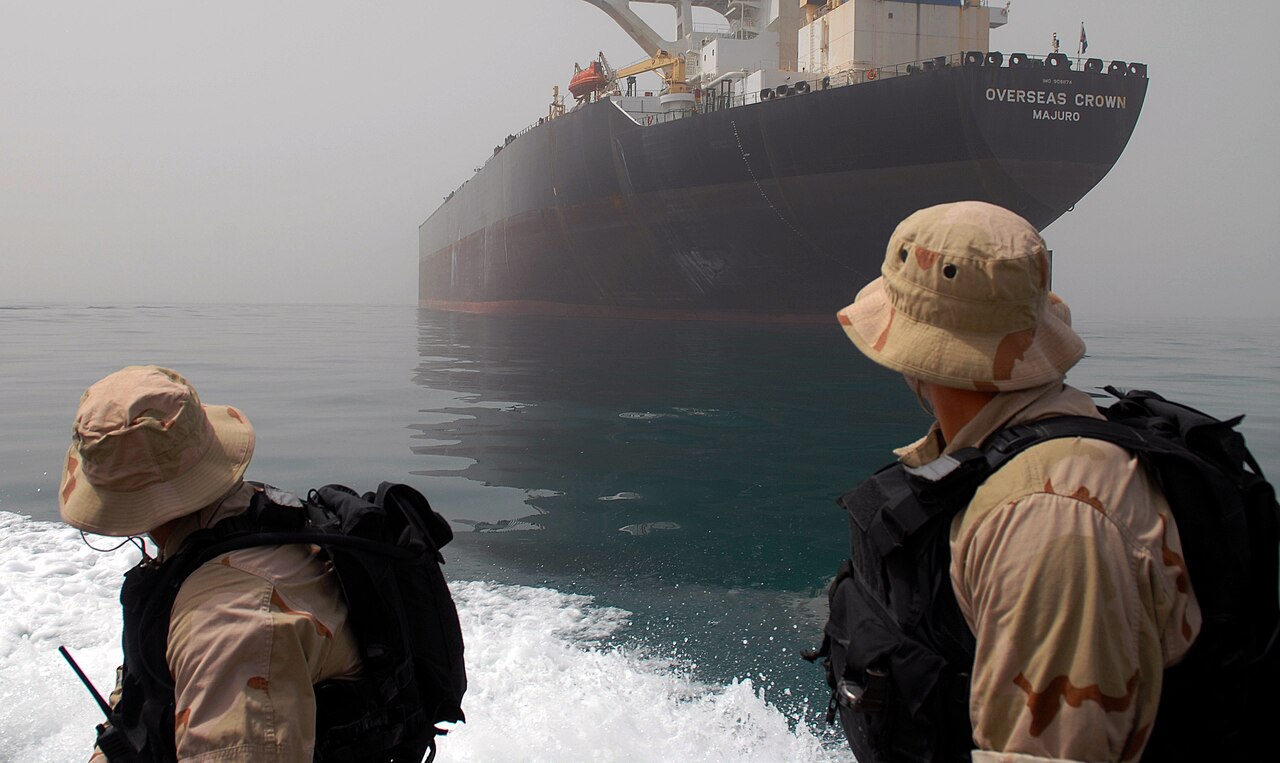
President Trump ordered American forces to strike 10 Iranian military targets Saturday after an Iranian drone crippled a commercial tanker in the Strait of Hormuz, shattering a fragile ceasefire and reigniting conflict in the volatile region.
The strikes targeted missile storage, coastal radar, surveillance infrastructure and minelayer capabilities in Sirik, Bandar-e Lengeh and Qeshm Island. CENTCENT launched the operation in direct response to Iran's attack on the Panama-flagged M/T Kiku, which was carrying more than two million barrels of crude oil through one of the world's most critical shipping chokepoints.
Crew members aboard the tanker had every right to expect safe passage under the June 17 Islamabad ceasefire. Instead, they faced a one-way attack drone that turned a routine voyage into a test of American resolve.
The Strait of Hormuz funnels 20 percent of global oil and LNG supplies through its narrow 20-mile passage. Every vessel that transits those waters carries the livelihoods of millions—refiners, truck drivers, families filling tanks at local stations. Iran's Islamic Revolutionary Guard Corps declared the strait closed on March 2, 2026, and spent months attacking neutral commercial ships until the ceasefire finally took hold.
Tehran broke that agreement twice in one week. Iranian forces struck the Singapore-flagged M/V Ever Lovely on June 25, then targeted the M/T Kiku two days later. The pattern of attacks against civilian vessels exposed the regime's unreliability and the lack of centralized control over its military apparatus.
President Trump warned on Truth Social that the "Islamic Republic of Iran will no longer exist" if the United States is forced to "complete the job." Vice President J.D. Vance reinforced the administration's position, stating "violence will be met with violence." The firm stance on deterrence marks a sharp departure from years of American accommodation toward Iranian violations.
CENTCOM's strikes aimed at Iran's kinetic capabilities rather than seeking immediate diplomatic off-ramps. The operation sought to degrade Tehran's capacity to disrupt global commerce without escalating to full-scale regime change. This enforcement strategy differs from previous administrations' habit of limited punitive strikes followed by rushed negotiations.
Behind the military calculus lies a collapsing economy that drives Tehran's recklessness. The Iran Statistics Center reported year-on-year inflation hit 88.6 percent in June, up from 68 percent in February. Rural inflation exceeded 108 percent. Food, beverage and tobacco prices surged 134.6 percent compared to last year.
Hyperinflation has hollowed out Iranian households. As families struggle to buy bread and medicine, the Revolutionary Guard manufactures external crises to distract from the domestic chaos. The regime's desperation fuels its erratic foreign policy.
Iran struck back within hours. The regime launched drone attacks on Bahrain's territory Saturday morning in retaliation for the U.S. strikes. Bahrain's Foreign Ministry condemned the aggression as "a flagrant threat to the security of citizens and residents." Kuwait also denounced the attacks as a "direct challenge to international will."
The IRGC claimed it destroyed eight important U.S. military facilities at bases in Kuwait and Bahrain. A U.S. official confirmed no American casualties or major damage to facilities occurred. The IRGC Navy command warned U.S. bases "will experience hell in the coming days" and threatened that "if the aggression is repeated, our response will be broader."
The Joint Maritime Information Center raised the maritime threat level to "substantial" following the tanker attack. The UN International Maritime Organization paused its ship evacuation operation through the Strait of Hormuz after the Ever Lovely incident, citing the need to reconfirm safety guarantees.
Iran's Persian Gulf Strait Authority warned that consequences from passage through unauthorized routes "shall be the responsibility of the owner, operator, and vessel commander." The M/T Kiku had departed a Qatari oil field earlier in the week, heading for a UAE port via an Omani coastal route rather than Iran-designated channels.
Global oil prices briefly dipped below $73 per barrel this week as traffic resumed through the strait, down from more than $100 per barrel earlier this year. Treasury Secretary Scott Bessent noted crude prices now sit lower than pre-war levels in the $67-71 range.
The human cost of this conflict continues to mount. The Pentagon comptroller testified the war has cost approximately $29 billion as of May, with some estimates reaching $50 billion when including base repairs and munitions replacement. Thirteen U.S. service members have died and about 400 have been wounded since February.
Each of those fallen soldiers leaves behind a family, a community, a story that will never be finished. Their sacrifice underscores why the United States must stand firm against threats to free commerce and sovereign security.
The Trump administration's decisive military action protects the free flow of trade and enforces red lines that previous administrations hesitated to establish. This approach recognizes that American strength remains the only language the Iranian regime respects when facing economic collapse and diplomatic unreliability.
Tehran's economic desperation and internal chaos drive its reckless behavior, making diplomatic accommodation futile. The regime's inability to control its security apparatus or adhere to signed agreements demonstrates why forceful deterrence remains essential for Middle East stability.
American sailors and Marines will continue patrolling these waters, ensuring that commercial vessels can transit freely. The message to Tehran is clear: the United States will not tolerate threats to global commerce, regardless of Iran's economic distress or diplomatic posturing.