Iran Turns Strait of Hormuz Into Global Toll Booth, Extorting Shipping Industry
Iran enforces mandatory $2 million transit fees in the Strait of Hormuz despite diplomatic promises, weaponizing one of the world's most critical maritime chokepoints against global commerce and energy markets.
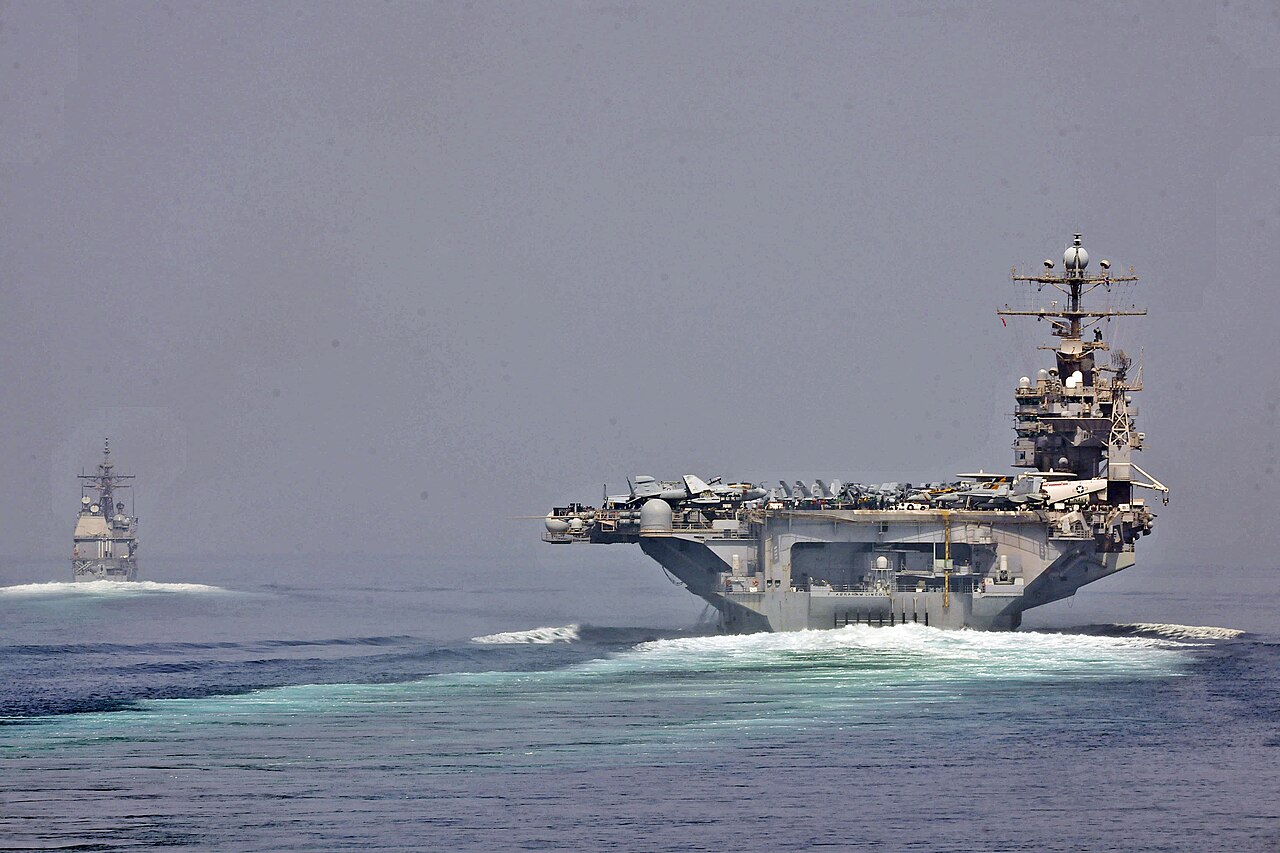
Iran has turned one of the world's most vital maritime passages into a toll booth, demanding $2 million from each vessel that crosses the Strait of Hormuz. Shipping companies now pay the Iranian regime for passage through international waters, funding a government that treats global free trade as negotiable. The extortion exposes the limits of diplomacy when facing a regime that weaponizes geography against Western economies.
Crypto Briefing reported on July 4 that Iran is actively enforcing the mandatory tolls, ignoring a June 17 memorandum of understanding that promised 60 days of fee-free transit. The enforcement represents deliberate economic warfare. It exposes how fragile diplomatic frameworks become when adversaries treat international waters as leverage.
Tehran administers the scheme through a sophisticated 12-point management plan overseen by its newly created Persian Gulf Strait Authority. Vessel operators must submit comprehensive declarations detailing ownership, insurance coverage, crew manifests and cargo contents before receiving transit permits. Companies can pay using Tether cryptocurrency, physical goods or barter arrangements, allowing Tehran to sidestep traditional financial sanctions.
The economic stakes run deep. The strait handles approximately 21 million barrels of oil daily, accounting for 21 percent of global petroleum consumption. J.P. Morgan analysts warn crude prices could climb to $150 per barrel if Iran maintains its chokehold. American consumers have already felt the pinch, with gasoline prices reaching $4.53 per gallon during the recent conflict.
Diplomatic efforts have unraveled under Iran's calculated aggression. The June 17 memorandum contained a critical loophole, failing to explicitly prohibit tolls after the 60-day window expires. Iranian Parliament Speaker Mohammad Bagher Ghalibaf stated the strait "will not return to pre-war conditions," signaling Tehran views the toll system as permanent revenue rather than a temporary wartime measure.
Secretary of State Marco Rubio warned Iran to "abandon the fantasy" of toll collection. "Fees and tolls are the same thing to me," Rubio stated. "If you're charging money to use the straits, we won't support it. We won't. We won't tolerate it. We won't allow it." President Trump has asserted the United States maintains "total control" of the strategic waterway.
The international maritime community has condemned the policy. International Maritime Organization Secretary-General Arsenio Dominguez called Iran's actions "a dangerous precedent" that violates established maritime norms. Iranian officials openly embrace their strategy. MP Alaeddin Boroujerdi stated "collecting $2 million as transit fees from some vessels crossing the strait reflects Iran's strength."
The toll system directly finances Tehran's Islamic Revolutionary Guard Corps, supplying resources to a force that has threatened global shipping for decades. Brookings Institution analysis warns the toll scheme could become a key revenue source for the IRGC.
Global shipping faces unprecedented disruption as companies scramble to avoid Iranian control. Nearly half of inbound commercial traffic now diverts to a southern Omani route to bypass the strait. Hapag-Lloyd executives warn the Hormuz chaos represents the "new normal" for maritime operations. Insurance premiums have soared, and many vessels now operate with transponders disabled to avoid detection.
Legal experts confirm Iran has no standing under international law. James Kraska, a professor at the U.S. Naval War College, emphasizes there is "no legal basis under international law for a coastal state to charge fees in an international strait like Hormuz." The United Nations Convention on the Law of the Sea explicitly prohibits countries bordering straits from hampering transit passage.
American energy independence offers the most reliable defense against Iranian economic warfare. The United States remains a net oil exporter, though global price shocks still reach domestic consumers. The $300 billion reconstruction fund promised to Iran in the memorandum represents further appeasement of a regime that treats concessions as weakness.
The human cost mounts as the crisis deepens. Nearly 46 ships have been attacked since conflict erupted, resulting in 14 seafarer deaths according to updated IMO statistics. Oman's proposal for "voluntary service fees" mirrors Iranian justification language, raising concerns that regional powers may accommodate Tehran's demands.
The economic toll spreads unevenly across global markets. Bruegel economic analysis indicates Gulf state exporters would absorb 80 to 95 percent of any Hormuz toll burden rather than global consumers. Iran projects annual revenues reaching $40 billion from the scheme, though independent estimates place realistic returns closer to $1 billion to $2 billion.
Individual nations bear heavy costs as the 60-day grace period draws to a close. South Korea faces a 1.1 trillion won annual burden from the Hormuz tolls. Shipping giant Maersk has transited the strait under U.S. Navy escort during "Project Freedom" operations, underscoring the ongoing military requirements for maintaining commercial access.
Fragile diplomatic agreements cannot protect global commerce from regimes that consistently violate international law. Iran's transformation of a vital maritime chokepoint into a revenue stream demonstrates why strong American military backing of freedom of navigation remains essential. The defense of open seas and energy independence stand as the only reliable shields against economic warfare waged by those who would turn the world's waterways into their private toll roads.