Monaco Bomb Attack Draws European Investigators' Eyes to Ukraine's Security Service
"A parcel bomb attack in Monaco that left a woman double-amputated and nearly killed a sanctioned tycoon has drawn European investigators to Ukraine's Security Service, raising questions about Western aid and state-sponsored violence abroad.
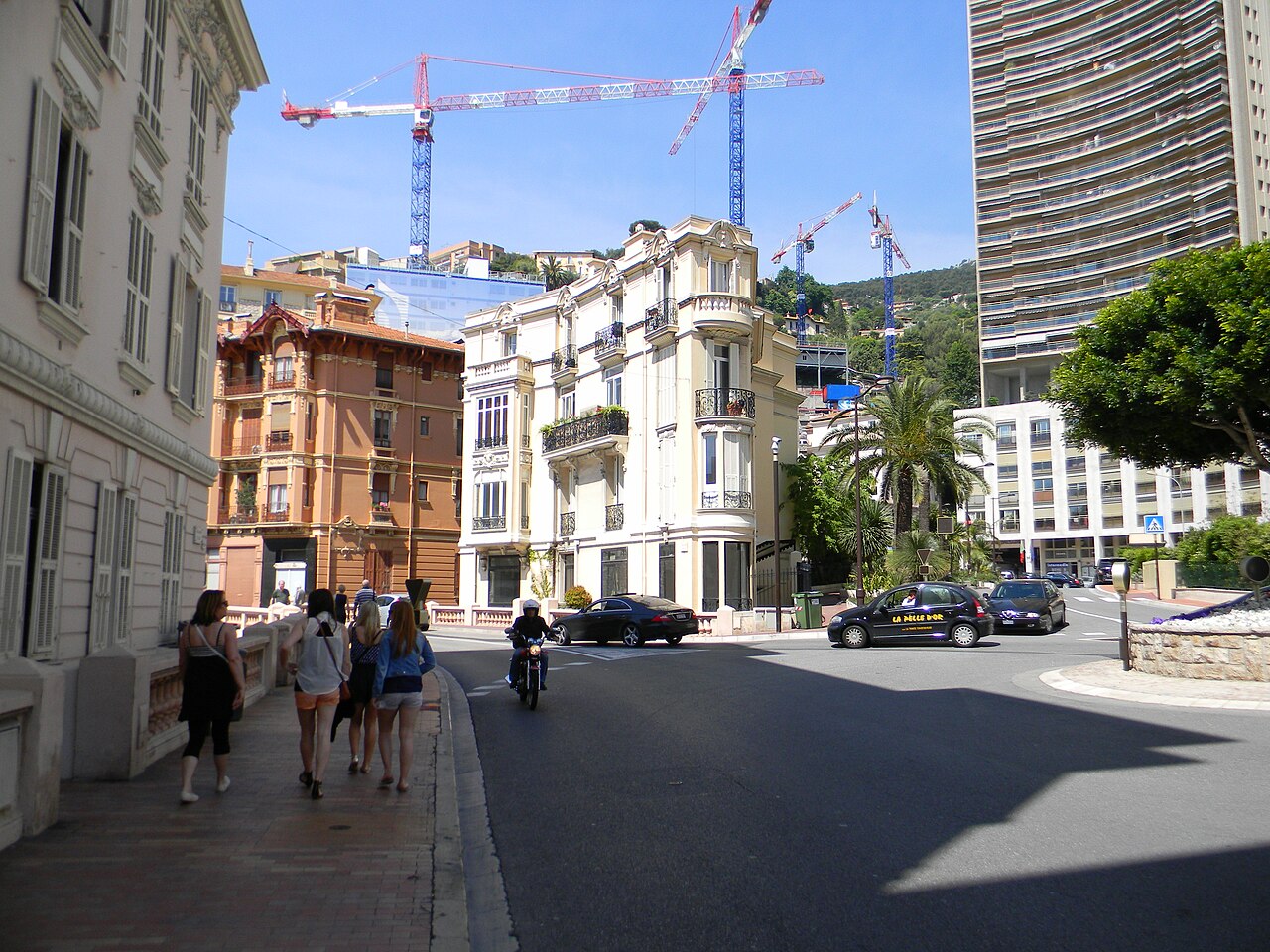
A woman lay on the floor of her Monaco apartment building with both legs gone, her partner bleeding from shrapnel wounds, their 13-year-old son burned and shaken. The June 29 parcel bomb attack in La Rousse did not just shatter lives. It launched a European investigation into Ukrainian President Volodymyr Zelensky's security apparatus.
Monaco prosecutors now examine whether Ukraine's Security Service, known as the SBU, orchestrated the assault that targeted Vadym Yermolaiev, a Ukrainian-born Cypriot citizen sanctioned by Kyiv last year. French newspaper Le Figaro reported investigators treat the Ukrainian agency as their primary suspect, elevating a criminal probe into a diplomatic crisis over state-sponsored violence on European soil.
The attack exposes enforcement tactics that operate far beyond Ukraine's borders. Yermolaiev renounced his Ukrainian citizenship in 2017 and obtained Cypriot nationality in 2019. In December 2023, Kyiv imposed 10-year personal sanctions on him for alleged business operations in Russian-occupied Crimea. He relocated to Monaco in 2021 as part of what Ukrainian media dubbed the "Monaco Battalion" of wealthy exiles.
"The relative sophistication of the explosive device and the modus operandi suggest that the person who planted the device did not act alone," Monaco Deputy Prosecutor Morgan Raymond stated July 3. The bomb contained bolts and buckshot, detonated remotely through a control device.
The suspect fled through three countries before reaching her Frankfurt residence. Anastasiia Berezovska, a 39-year-old Ukrainian national, disguised herself as a man to plant the device before escaping through France, Italy and Switzerland. Interpol issued a Red Notice for Berezovska on July 3 for attempted murder and criminal conspiracy.
"This is the first time in history, to my knowledge, that such an act has taken place in the principality," Monaco Minister of State Christophe Mirmand said June 30. The unprecedented attack in one of Europe's safest jurisdictions underscores the transnational reach of Kyiv's security operations.
German police searched Berezovska's rented apartment July 3 and collected evidence. Monaco authorities briefly detained two individuals for further checks before releasing them. The extensive CCTV network captured the suspect fleeing toward neighboring Beausoleil, France, in the immediate aftermath.
Monaco deployed 80 officers alongside 40 French gendarmes, two helicopters and 50 firefighters to secure the scene. Prosecutor General Stéphane Thibault classified the attack as attempted murder rather than terrorism, a distinction that maintains diplomatic channels while investigators pursue evidence of state-level coordination.
The Monaco assault follows a troubling pattern of extrajudicial actions by Ukrainian intelligence abroad. In May 2025, former Ukrainian official Andrii Portnov was assassinated outside a school in Madrid, Spain. The SBU gained expanded powers under Zelensky's leadership.
Western governments have provided more than $380 billion in military and financial aid to Ukraine since Russia's February 2022 invasion. The United States alone has committed approximately $164 billion through congressional appropriations, with additional bilateral and European Union support.
The contradiction between Western democratic values and Kyiv's alleged use of transnational assassination tactics raises urgent questions about continued aid flows. European investigators now probe whether their financial support enables a security apparatus that operates with impunity beyond Ukraine's borders.
Yermolaiev's partner, Anna Nasobina, 46, remains in life-threatening condition after losing both legs in the explosion. Their 13-year-old son suffered burns and non-life-threatening injuries. Yermolaiev sustained burns and shrapnel wounds but has stabilized.
Not everyone agrees the SBU orchestrated the attack. Yermolaiev's son Artur pleaded guilty in Estonia in April 2026 to fraud involving €100 million in a phone call scam, receiving a five-year suspended sentence and €8.5 million fine. Some analysts suggest the Monaco attack could relate to organized crime retaliation rather than state action.
Former French intelligence officer Claude Moniquet reported Yermolaiev planned to address the European Parliament on corruption in Ukraine, providing another potential motive. The Ukrainian businessman had become a vocal critic of Kyiv's handling of corruption cases involving elites.
The SBU and Ukrainian government have not responded to allegations of involvement. The agency's silence underscores the opaque nature of Kyiv's security operations as European investigators pursue the SBU as their priority line of inquiry.
In the Monaco hospital, a 13-year-old boy recovers from burns while his mother fights for her life. The question haunting European capitals is whether their billions in support have funded a security service capable of striking with precision on their own soil.