Iranian Aggression Sends Jet Fuel, Helium, Fertilizer Prices Skyrocketing
Iran's closure of the Strait of Hormuz triggers cascading supply chain disruptions, sending jet fuel, fertilizer, and medicine prices soaring while threatening millions of flights and critical medical equipment.
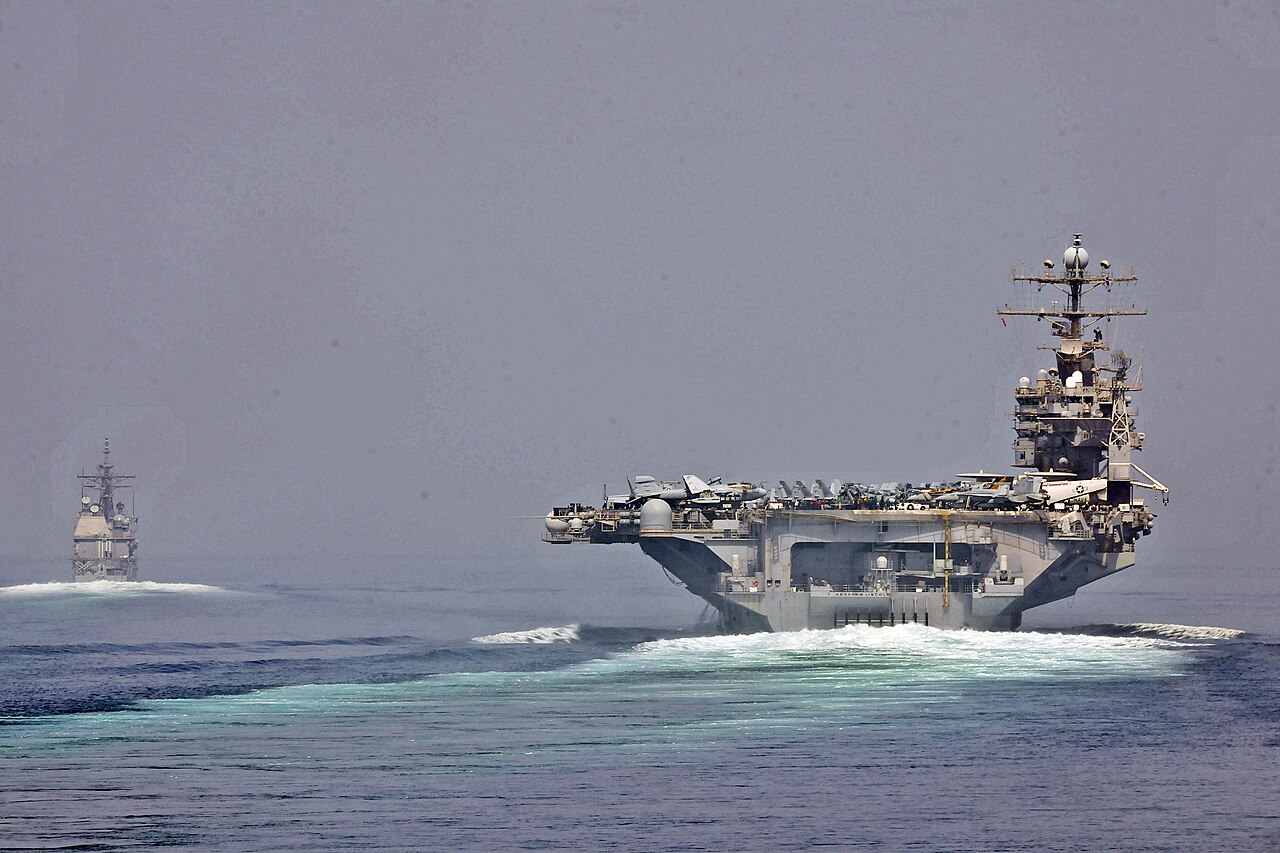
Jet fuel prices have more than doubled in three weeks, airlines are canceling thousands of flights, and medicine shortages could hit within weeks. But this crisis runs deeper than airfare and pharmacy shelves. The closure of the Strait of Hormuz is triggering cascading supply chain disruptions that will hit consumers in their wallets, their health, and their ability to travel.
U.S. jet fuel prices surged from $2.17 to $4.57 per gallon in three weeks, a 110 percent increase that forces airlines to slash flights and add surcharges directly to consumer travel budgets. United Airlines CEO Scott Kirby said the price spike translates to $11 billion in annual expenses for his company alone. "If oil prices stayed where they are today, that's $11bn of expense for us, and that would require prices to be up 20pc to break even," Kirby stated.
The cause is Iran's decision to close the Strait of Hormuz to U.S., Israeli, and allied ships, backed by Iranian Revolutionary Guard Corps threats to set vessels ablaze. This move strangled a critical trade route handling 30 percent of global urea fertilizer. More than one in 20 scheduled flights were canceled globally on a single Monday, with United cutting 5 percent of planned flights, SAS canceling 1,000 flights in April, and Air New Zealand canceling 1,100 flights through early May.
Medicine shortages could emerge within weeks as India's pharmaceutical exports face disrupted air cargo through Gulf hubs. "We're not in a crisis currently but it's still a serious situation," said Mark Samuels, CEO of Medicines UK. "If the conflict dragged on then drug shortages could emerge in only a few weeks' time."
The fertilizer crisis collides with Northern Hemisphere planting season at the worst possible moment. Urea prices jumped from $350-400 to $600-700 per metric ton, a 50-75 percent increase. Nitrogen fertilizer cannot be deferred, and farmers face diesel costs that rose from $3.50 to $5.38 per gallon. "You can skip a season of potash, you can skip a season of phosphates, but you can't skip a season of nitrogen," said Dawid Heyl, co-portfolio manager at Ninety One. "This could really have an impact on agricultural yields across a lot of geographies."
Helium shortages threaten medical equipment and technology production. Qatar's helium exports were cut by 14 percent after attacks on LNG facilities. Qatar produces 33 percent of global helium. "Nobody's run out of helium yet," said Phil Kornbluth, president of Kornbluth Helium Consulting. "But it's a few weeks out when the shortage really hits."
Aluminum hit $3,492 per tonne, a four-year high, after Iranian attacks on Gulf smelters. The region produces 9 percent of global aluminum, affecting packaging, automotive, and electronics sectors. Car manufacturers face 18-month lead times to find new suppliers.
The International Energy Agency's record 400-million-barrel strategic reserve release, the largest in history, is failing to stabilize markets. Physical supply constraints persist, and reserves will deplete by mid-April. Analysts warn of an "oil cliff" when they run out, with the UK expecting its last Middle East jet fuel shipment to arrive soon and no other cargoes visible from the Gulf.
This is Iran weaponizing global trade against ordinary consumers, not an American policy failure. The cascading effects hit health through medicine shortages, food security through fertilizer disruptions, and travel through aviation chaos. "There are very real, physical manifestations of the closure of the Strait of Hormuz that are working their way around the world," said Chevron CEO Mike Wirth.
The human cost extends beyond headlines about oil prices. Families face higher grocery bills as fertilizer shortages translate to reduced crop yields. Patients risk medication shortages as pharmaceutical supply chains seize up. Travelers confront canceled flights and higher fares as airlines struggle with $4.57 per gallon jet fuel. Each represents the downstream consequence of Iran's decision to turn maritime trade into a battlefield.