Markets Plunge, Oil Surges as Trump Speech Derails April Fool's Hope
President Trump's confirmation that Iran war will intensify for weeks dashes investor hopes, sending global markets into freefall while American consumers face soaring fuel prices.
Global markets plunged Thursday morning after President Trump's Wednesday night address confirmed the Iran war will intensify for two to three more weeks. Oil prices surged past $107 a barrel as investors' hopes for a quick resolution evaporated. Families across America brace for deeper pain at the pump.
Brent crude jumped 8 percent to $108.83 during Trump's primetime speech. West Texas Intermediate rose 7.1 percent to $107.18 in the same trading session. Asian markets tumbled with South Korea's KOSPI dropping 4.5 percent and Japan's Nikkei falling 2.4 percent. U.S. futures pointed to declines at the open.
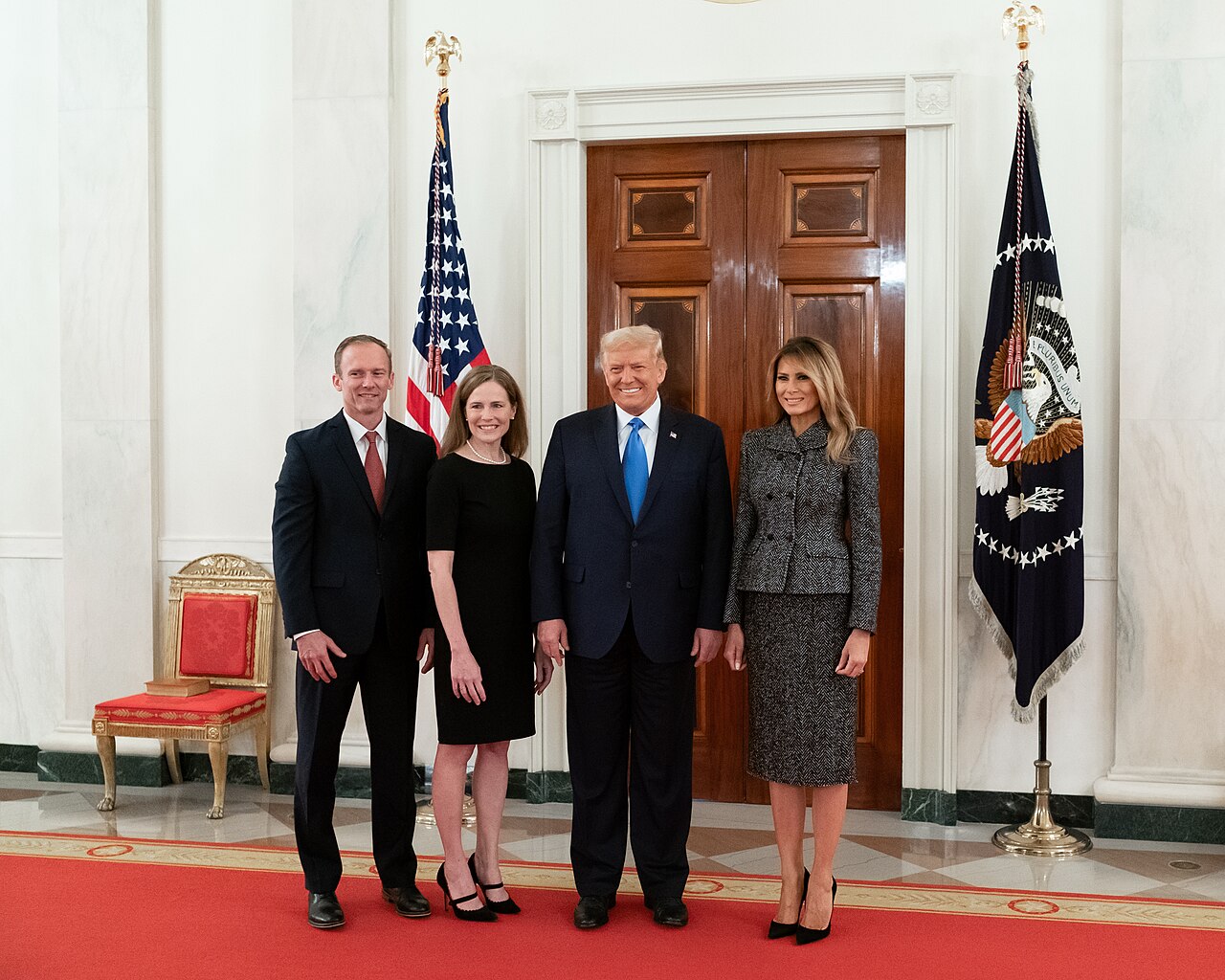
"We're going to hit them extremely hard over the next two to three weeks," Trump declared from the White House Cross Hall. He vowed to "bring them back to the Stone Ages where they belong" but offered no timeline for reopening the Strait of Hormuz or ending hostilities.
American consumers face immediate pain at the pump. The national average gasoline price hit $4.06 per gallon Thursday, up 5 cents Wednesday alone and 40 percent higher than the $2.90 level before war began Feb. 28. Jet fuel prices doubled since the conflict started, with Ryanair CEO Michael O'Leary warning 10 to 25 percent of his airline's fuel supply faces risk in May and June.
Iran's decision to block the Strait of Hormuz remains the root economic crisis. The closure since Feb. 28 cut 11 million barrels daily from global supply, representing 11 percent of world oil and 20 percent of liquefied natural gas shipments. Trump's speech made clear that reopening the vital passage requires continued military pressure, not negotiation.
Market analysts expressed disappointment at the lack of concrete exit strategy. "The market has shown disappointment because the speech President Trump made was far less than what the market expected," said Takashi Hiroki, chief strategist at Monex in Tokyo. "What the market wants is a clear outline for the ceasefire."
Dilin Wu, research strategist at Pepperstone Group, described the address as "effectively business as usual." Trump announced victory while threatening strikes on Iran's energy facilities, Wu noted.
Trump's speech failed to reassure investors who briefly rallied Tuesday on hopes of de-escalation. "Trump's latest address was supposed to reassure markets," said Maxence Visseau, founder of Arkevium. "He called the operation 'close to completion' but offered no timeline, no exit plan, and critically, no strategy for reopening the Strait of Hormuz."
Iran rejected Trump's claim that the nation requested a ceasefire. Foreign Ministry spokesperson Esmail Baghaei called the assertion "false and baseless" Wednesday. Iran seeks "complete end" to war, not temporary truce, according to the ministry. New Supreme Leader Ayatollah Mojtaba Khamenei vowed to "continue supporting the Resistance against the Zionist-US enemy."
Regional military developments show the conflict expanding rather than contracting. The United Arab Emirates intercepted 35 drones and five ballistic missiles Tuesday. QatarEnergy's Aqua 1 tanker suffered damage from an Iranian cruise missile in Qatari waters. Bahrain, Kuwait and Saudi Arabia also reported attacks.
U.S. allies expressed frustration with Trump's approach. "Countries of the world that do receive oil through the Hormuz Strait must take care of that passage," Trump said. "We will be helpful, but they should take the lead." No European nations agreed to join military action to reopen the strait without a ceasefire first.
The economic outlook grows increasingly dire. Goldman Sachs projects oil could hit $150 per barrel and U.S. gasoline $7 per gallon if the strait remains closed through June. Macquarie analysts warn of potential $200 oil. The International Energy Agency warned Europe will feel the full impact in April after exhausting pre-war cargoes.
Energy-intensive industries face immediate disruption. The strait closure eliminated 12 percent of global nitrogen fertilizer supply, with natural gas comprising 70 to 90 percent of ammonia production costs. Aluminum, helium and other commodity shipments face similar snarls.
The conflict tests NATO alliances strained by Trump's rhetoric. He described the alliance as a "paper tiger" in recent comments and told The Telegraph he was "beyond reconsideration" on U.S. membership. European leaders expressed alarm at the escalating economic damage.
Asian nations already implement emergency measures. Pakistan closed schools to save energy while India suffers liquefied petroleum gas shortages. Southeast Asian airlines suspended some flights as jet fuel prices double crude oil's rate of increase.
The economic price of military strength becomes starkly visible to American households. Each 10-cent increase in gasoline prices costs consumers $14 billion annually, according to AAA calculations. The current $1.16 per gallon surge since February translates to $162 billion in additional annual costs.
Trump placed blame squarely on Iranian aggression. "The Iranian regime launching deranged terror attacks against commercial oil tankers" caused the price spike, he asserted. He noted Iran's navy is "gone," its air force "in ruins," and most leaders "dead."
Longer-term energy market shifts appear inevitable. "Restoring production will take time; restoring trust even longer," said Sverre Alvik, vice president at DNV. "It is likely that the world will therefore see elevated oil and gas prices for a long time."
The president's address offered no compromise with Tehran. Iran's parliament reviews legislation to formalize blocking of hostile vessels and charge tolls for Hormuz passage, signaling intent to use the strait as leverage even after war ends.
For global markets, the choice appears increasingly binary: accept continued military pressure on Iran or pay the escalating economic price of a reopened Strait of Hormuz. With Brent crude already at conflict-record highs and warnings of $7 gasoline, investors brace for weeks, not days, of volatility.
Families at the pump will feel the toll most acutely. The math is unforgiving, and no amount of military strength brings relief to the checkout line.