Trump Launches 100% Drug Tariffs, TrumpRx Platform for Lower Prices
President Trump imposes steep pharmaceutical tariffs while launching a zero-tariff platform for companies committing to onshore production and offering Americans most-favored-nation drug pricing.
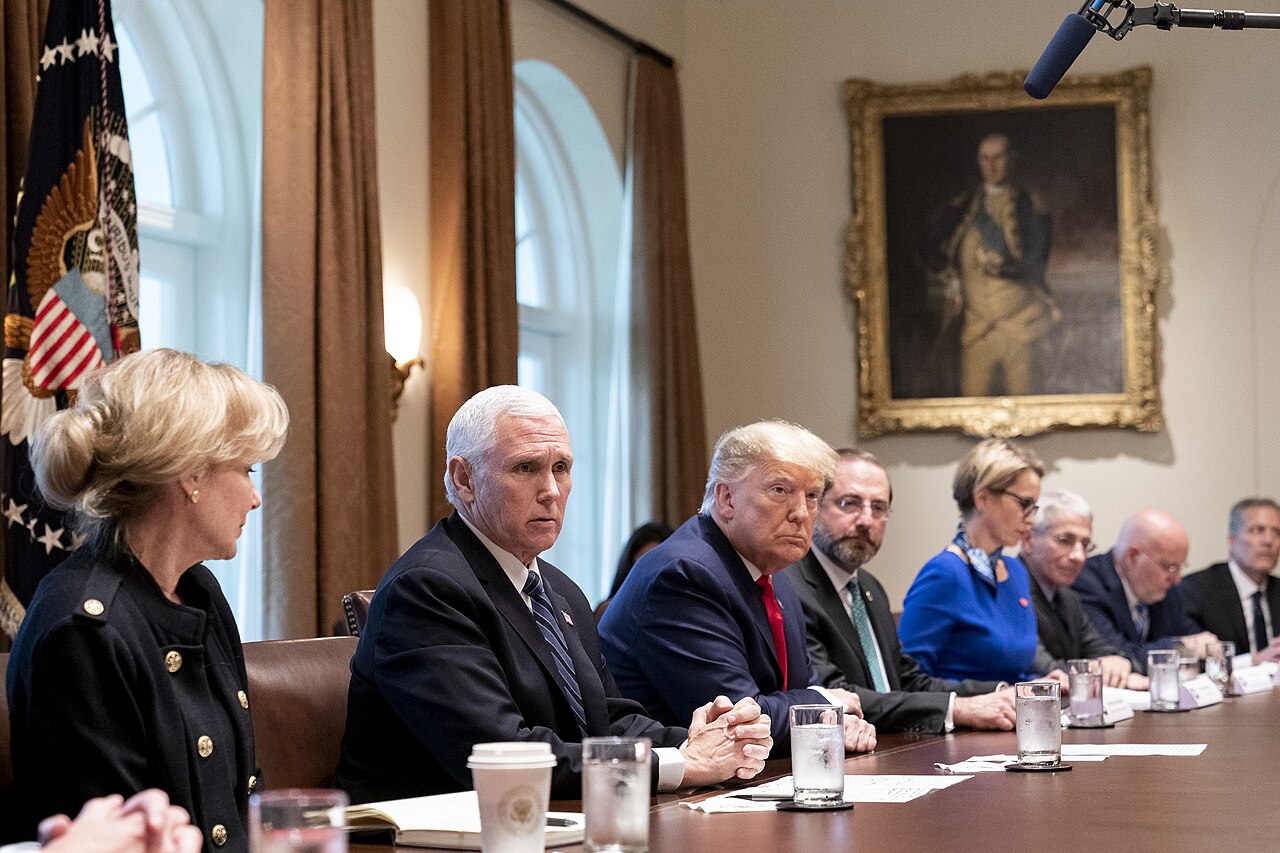
President Trump imposed 100 percent tariffs on patented pharmaceutical imports April 2, while simultaneously opening a zero-tariff lane for companies willing to bring production stateside and offer Most-Favored-Nation pricing to American patients through TrumpRx.gov.
The proclamation arrived on the one-year anniversary of Trump's "Liberation Day" trade policies, invoking Section 232 national security authority to address what the administration calls dangerous import dependence. About 53 percent of patented pharmaceutical products distributed in the U.S. are produced abroad, according to White House data. Only 15 percent of patented active pharmaceutical ingredients by volume originate domestically. Tariffs take effect July 31 for large companies and September 29 for smaller firms.
TrumpRx.gov, launched February 5 and operated by GoodRx, provides direct-to-consumer discounts on drugs from companies that sign MFN deals and commit to onshoring production. "This was not a secret," a senior administration official told reporters. "We've been talking about this endlessly for the past six months, so I think everybody knows it's coming. They've had plenty of warning, and we are going forward with it."
The tariff structure creates a market-based incentive system with three tiers. Companies that sign MFN pricing agreements and commit to onshoring production receive zero tariffs through January 2029. Firms that only onshore production face 20 percent tariffs initially, rising to 100 percent in 2030. Companies refusing both face 100 percent ad valorem duties. Trade partner exceptions include 15 percent rates for the European Union, Japan, South Korea and Switzerland, and 10 percent for the United Kingdom.
Most of the targeted pharmaceutical companies signed MFN deals, generating new U.S. investment commitments. "You're encouraged to build in America and sell America at your drugs and MFN prices," the senior official said. "And if you do that, the combination of HHS and the Department of Commerce will protect you and give you a zero tariff while you're building." Construction must complete before January 2029, when Trump's term ends.
AbbVie pledged $100 billion in research and capital investments over 10 years. Eli Lilly announced a $27 billion manufacturing expansion commitment on February 26, 2025.
TrumpRx delivers concrete price reductions to consumers. Ozempic drops from $1,028 to $350 monthly, Wegovy from $1,349 to $350, and Zepbound to $299 for the lowest dose. Fertility drugs receive 84 percent combined discounts, while insulin costs as little as $25 monthly. Pfizer offers up to 85 percent savings on TrumpRx, with primary care treatments averaging 50 percent reductions.
Generic pharmaceuticals, biosimilars and U.S.-origin drugs remain excluded from tariffs entirely, protecting competition and domestic manufacturers. The administration argues this preserves market forces while pressuring high-priced patented drugs.
Patient advocates criticize the MFN deals as opaque and insufficient. "The current MFN deals remain opaque and voluntary, and have not delivered meaningful savings for the vast majority of American patients," said Merith Basey, CEO of Patients for Affordable Drugs. "There's a real risk these tariffs will drive up costs and create more uncertainty for millions of patients already struggling to afford their medications."
Public Citizen's Melinda St. Louis asserts the administration engages in "secretive ongoing negotiations and opaque exemption processes that are ripe for corporate corruption." Peter Maybarduk, the group's Access to Medicines director, argues "TrumpRx is designed to help Big Pharma keep its prices high by diluting the bargaining power of insurance companies, weakening an important check on pharma."
PhRMA CEO Stephen J. Ubl warns "taxes on cutting-edge medicines will increase costs and could jeopardize billions in U.S. investments," noting that "medicines sourced from other countries overwhelmingly come from reliable U.S. allies."
The administration contrasts its approach with Medicare drug price negotiation under the Inflation Reduction Act and single-payer proposals. White House spokesperson Kush Desai states "the list prices aren't important and that the specific discounts addressed in the deals are coming to state Medicaid programs and patients who want to pay cash for some prescriptions."
Jeffrey Singer, a Cato Institute health policy expert, acknowledges direct-to-consumer sales can lower prices by exposing patients to medicine costs and forcing competition. "But a government-run platform isn't necessary to achieve that goal," Singer notes. "Private firms are already expanding direct-to-consumer options, and federal involvement risks crowding out competition."
Regeneron remains the sole holdout among 17 targeted companies. The administration's market-leverage strategy represents an alternative to government price controls, using trade policy to secure voluntary pricing deals and manufacturing commitments rather than imposing federal price caps.
For millions of Americans priced out of life-saving medications, the stakes extend beyond trade policy and into daily survival. Whether through market pressure or government mandates, the question remains whether patients will finally see prices that match their ability to pay.