Ireland Sends Soldiers Against Fuel Protesters After Ideological Energy Ban
Irish troops cleared farmers and hauliers from Ireland's only oil refinery April 9, as diesel hit €2.19 a litre and a government-shaped energy policy left the country dangerously exposed.
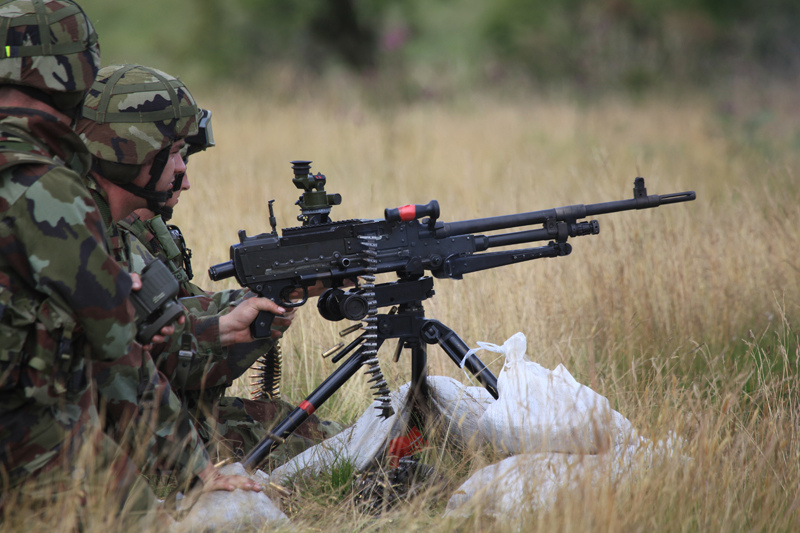
The Irish army rolled onto Whitegate's streets April 9 — not to repel foreign invaders but to clear farmers and hauliers protesting fuel prices that Dublin's own policies helped create. Defence Forces deployed to remove vehicles blocking Ireland's only oil refinery after protesters choked the final point in a supply chain the government itself had severed.
Justice Minister Jim O'Callaghan confirmed the military intervention against a national blockade threatening up to 500 fuel stations. Whitegate refinery supplies approximately 40 percent of Ireland's petroleum, with two other blocked depots in Foynes and Galway controlling more than half the nation's fuel supply.
Protesters demand diesel price caps at €1.75 per litre, suspension of carbon taxes, and direct meetings with Taoiseach Micheál Martin. Diesel now costs between €2.10 and €2.19 per litre, with petrol reaching €1.89 to €1.94. The government offered €250 million in temporary excise cuts on March 24 but refused protest leaders entry to crisis talks on April 10.
The root cause traces to Ireland's 2021 Climate Action Act, which banned new oil and gas exploration. That decision blocked development of the Barryroe field's 300 million barrels of recoverable oil while the existing Corrib gas field depletes toward a projected 2030 shutdown. Ireland now imports 75 percent of its gas from Britain, a figure set to reach 90 percent by decade's end.
"This is not a lawless country. The laws of the land must and will be applied without fear," Tánaiste Simon Harris told reporters April 10. Taoiseach Micheál Martin had earlier called the refinery blockade "an act of national sabotage" that "will directly impact the people of Ireland."
A global supply shock has sharpened Ireland's self-made vulnerability. The Strait of Hormuz effectively closed in March 2026, strangling 20 percent of global oil trade. Brent crude peaked at $126 per barrel that month, punishing nations without domestic production buffers harder than most.
Defence Minister Helen McEntee acknowledged "genuine people there with genuine concerns" but stated those blocking fuel access "have to stop." Her warning came as National Ambulance Services curtailed non-emergency transport and fire services ceased non-essential activities.
Ireland's predicament mirrors Britain's parallel failure. The United Kingdom blocked development of 111 North Sea fields through Labour's 78 percent windfall tax, freezing 3.5 billion barrels of domestic oil and gas equivalent. Both nations chose ideological purity over energy security before facing the same supply-driven reckoning.
The human cost is already visible at the roadside. "I burned €108 worth of diesel in two hours and that was only doing light work — that's not sustainable," builder Joe Rynne said at Whitegate. Milk processors warn of collection failures early next week if diesel deliveries do not resume; farmers report they cannot obtain animal feed from merchants blocked from ports.
Protester James Geoghegan, an agricultural contractor carrying €548,804 in unsatisfied Revenue judgments, told reporters: "It's in our hands, we call the shots." His words underline how wide the gulf has grown between those absorbing the cost of climate policy and those who designed it.
Kevin McPartlan, CEO of Fuels for Ireland, warned that the three blocked terminals "provide over 50 percent of the fuel in the entire country." That fuel, he noted, "gets kids to school, people to work, deliveries to shops and keeps ambulances on the road."
Gardaí declared an "exceptional event" April 10 to authorize emergency measures. The military deployment represents the latest escalation in a three-day protest that began April 7 with slow-moving convoys on major motorways.
"We are at a very dangerous economic moment," Harris acknowledged, without proposing any reversal of the exploration bans. The government's choice to deploy soldiers rather than reconsider the policies that produced the crisis reveals exactly how committed Dublin remains to its course, and who bears the price of that commitment.
With Corrib field depletion accelerating and no replacement projects permitted, Ireland faces deepening dependency on imported energy vulnerable to geopolitical disruption. The army can clear the roads. It cannot fix the policy that broke the system.