Iran Buys Time With Oil Tankers as April 6 Deadline Looms
As the April 6 deadline approaches, Iran's calculated oil tanker releases reveal a strategy to stall war while establishing control over global shipping lanes that carry 20 percent of the world's oil.
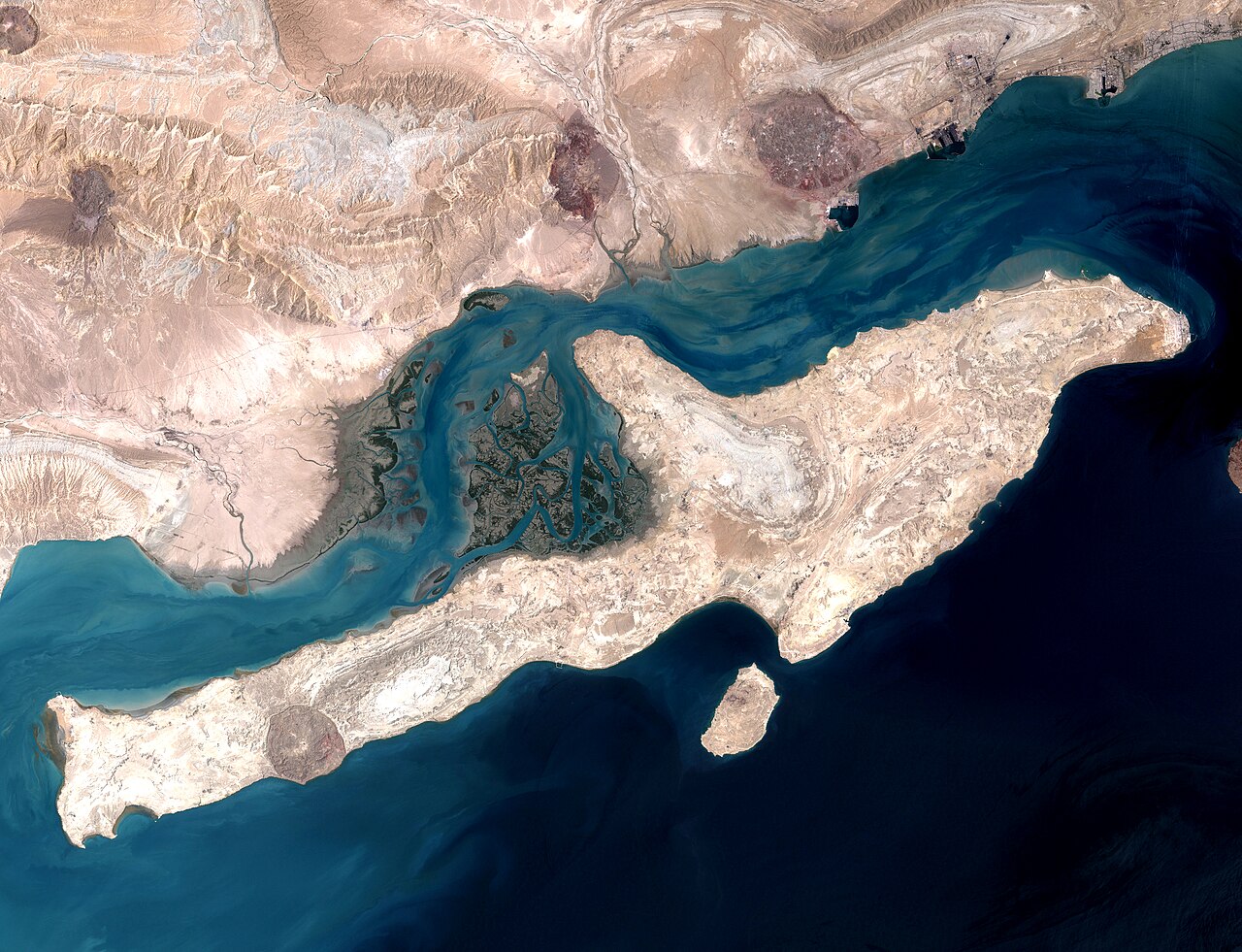
President Donald Trump called it a gift when Iran permitted 10 oil tankers through the Strait of Hormuz, prompting him to extend his April 6 deadline. Yet Tehran's gesture masks something far more sinister—a calculated effort to delay a war it cannot ultimately win while constructing a toll booth system threatening global commerce.
Iranian Foreign Minister Abbas Araghchi stated on March 25: "We do not intend to negotiate. So far, no negotiations have taken place." Iranian security officials told state media "the end of the war will occur when Iran decides it should end, not when Trump envisions its conclusion." These contradictory signals expose a strategy designed to buy time while consolidating control over the world's most critical oil chokepoint.
The Islamic Revolutionary Guard Corps now controls a narrow corridor between Qeshm and Larak islands, forcing ships through what maritime analysts call a toll booth system. At least 25 vessels have transited this route since March 13, with at least two tankers paying in Chinese yuan for passage. Iran's parliament pursues legislation to formalize toll collection as state policy, permanently monetizing control of a strait carrying 20 percent of global oil shipments.
Trump's 15-point proposal demands Iran dismantle all nuclear facilities, end uranium enrichment, hand over enriched uranium stockpiles, and cease funding proxy groups throughout the Middle East. Secretary of State Marco Rubio told RFE/RL the U.S. expects to conclude the military campaign "in a matter of weeks, not months." Iran responded with five counter-conditions requiring international recognition of its sovereignty over the Strait of Hormuz, guaranteed war reparations, and concrete guarantees against future U.S. aggression.
Pakistan, Egypt and Turkey have emerged as improbable mediators in ongoing talks. All three are Muslim-majority nations with complex relationships to both Washington and Tehran. Pakistan's Deputy Prime Minister Ishaq Dar confirmed Iran agreed to allow 20 more Pakistan-flagged ships through the Strait, two per day. The unusual mediation configuration underscores how Iran has leveraged global oil markets to force diplomatic concessions while rejecting core American demands.
Military escalation continues despite diplomatic maneuvering. Three thousand five hundred U.S. Marines and sailors arrived aboard the USS Tripoli on March 27, joining troops already deployed. The Pentagon is preparing for potential ground operations including raids on Kharg Island, according to a Washington Post report confirmed by the New York Post. Israel killed IRGC naval commander Alireza Tangsiri and naval intelligence chief Behnam Rezaei on March 26, eliminating two top leaders who managed Iran's maritime strategy.
Brent crude oil reached $110 per barrel this week, with WTI crude closing at $99.64 on March 27, a 5.46 percent increase. Japan tapped its strategic reserves to ease supply pressures. Analysts warn the U.S. will not tolerate Iran's toll system, even if Tehran legalizes it domestically. "This is all illegal," said Josh Lipsky of the Atlantic Council. "I have a hard time believing the United States would abide that."
The April 6 deadline at 8 p.m. Eastern Time continues to loom. Andreas Krieg of King's College London told The Independent that "the war has weakened the U.S.'s bargaining position, as Iran has shown it has a much higher pain threshold than the US." Trump himself admitted on Fox News that "in a certain sense, we have already won."
Global shipping has plummeted from 120 daily transits before the war to fewer than 10 today. Iran's control over the narrow passage between Qeshm and Larak islands gives it unprecedented leverage. Tomer Raanan of Lloyd's List Intelligence described the IRGC's role as "essentially verifying the ship's information and acts almost like a toll booth."
"Iran's regime is publicly defying President Trump's plan because it thinks that it is winning," said Jason M Brodsky of United Against Nuclear Iran.
But Iran has shown remarkable resilience, absorbing the loss of Supreme Leader Ali Khamenei and approximately 40 senior officials in the February 28 opening strikes. The International Federation of Red Cross and Red Crescent Societies reports 1,900 Iranian deaths and 20,000 injuries.
The tension now isn't whether Iran will comply with American demands – Tehran has already rejected them. The question is whether Trump will strike before Iran consolidates its new chokehold on global energy supplies. With mediation talks beginning this weekend and the April 6 deadline approaching, the world's most critical shipping lane hangs in the balance.