Netanyahu Orders Broader Strike as Lebanon Death Toll Hits 1,238
Israeli Prime Minister Benjamin Netanyahu ordered expanded ground operations in Lebanon following Hezbollah's massive rocket barrage, as the conflict's death toll surpasses 1,200 Lebanese lives since March.
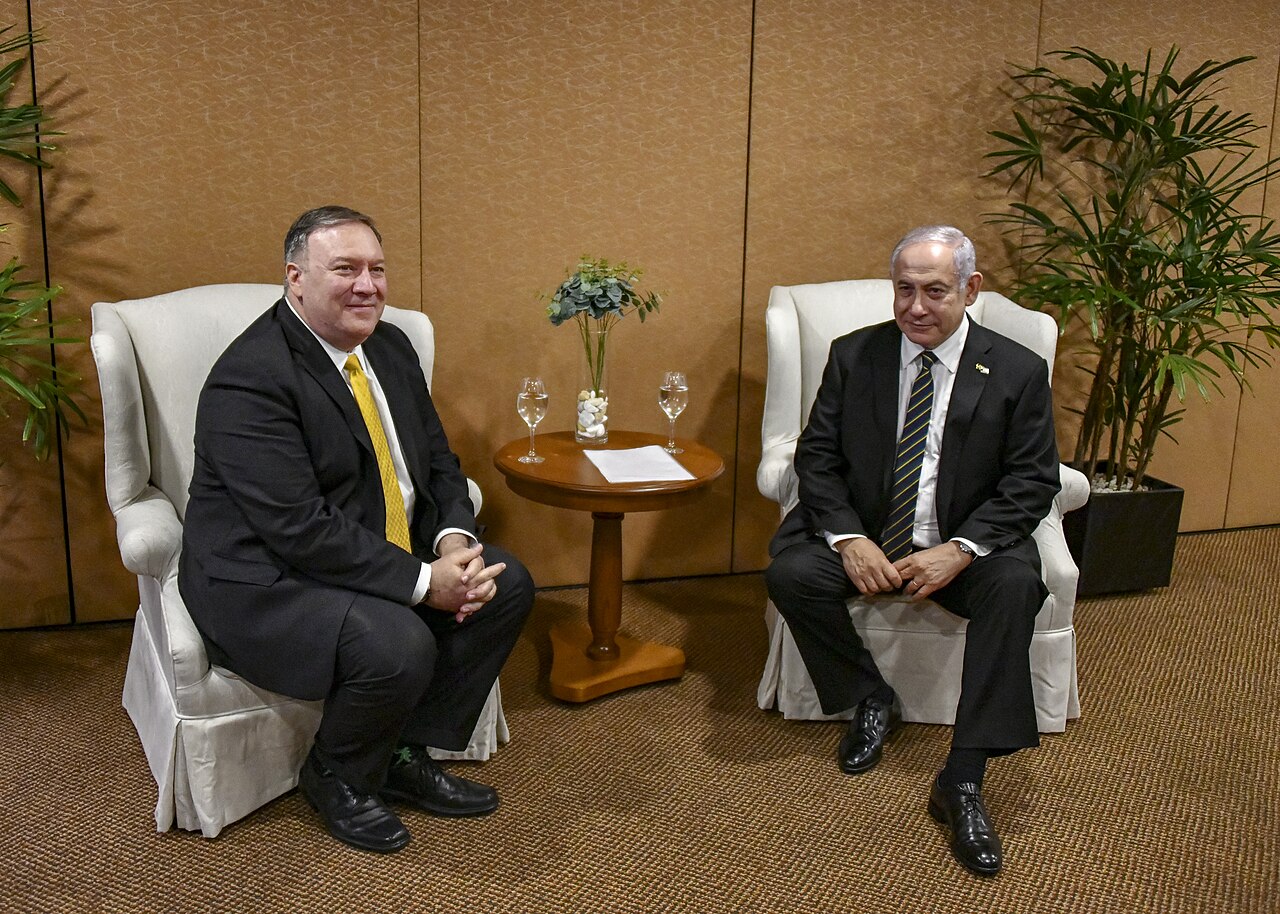
Israeli Prime Minister Benjamin Netanyahu ordered the military to expand its ground offensive into Lebanon on March 29, pushing toward the Litani River to permanently remove Hezbollah's anti-tank weapons from the border. The command came after Hezbollah launched its largest rocket salvo yet — 600 missiles and drones in 24 hours — targeting northern Israeli communities.
"In Lebanon, I have just ordered the military to further expand the existing security zone," Netanyahu stated from the Northern Command. "This is intended to definitively neutralize the threat of invasion by Hezbollah militants and to keep anti-tank missile fire away from the border."
The March 28 barrage marked the single largest rocket attack since the conflict began on March 2, when Hezbollah launched strikes in retaliation for Iran's Ayatollah Ali Khamenei being killed in a U.S.-Israeli operation. Lebanese casualty figures now stand at 1,238 dead, including 124 children and 52 medical personnel, according to the Lebanese Health Ministry. The ministry does not distinguish between combatants and civilians in its total figures.
Israel's operational response deployed the 91st Division into southern Lebanon, with troops destroying at least eight bridges over the Litani River to isolate Hezbollah positions. The IDF Alpinist Unit deployed from Mount Hermon in Syria into the Mount Dov area for intelligence operations, skiing across the border with specialized equipment.
European powers issued calls for restraint on March 16, with the UK, France, Germany, Italy and Canada declaring in a joint statement that "a significant Israeli ground offensive would have devastating humanitarian consequences and could lead to a protracted conflict." The statement offered no troops, weapons, or funding for regional security while Israeli border communities faced daily rocket fire.
French Foreign Minister Jean-Noel Barrot condemned Israeli strikes that killed three journalists in southern Lebanon on March 28, stating the deaths would represent "a blatant violation of international law" if confirmed. He ignored that Al-Manar and Al-Mayadeen television networks serve as Hezbollah's official propaganda arms, not neutral press. Al-Manar correspondent Ali Shoeib, killed in the strike, was identified by the IDF as a Hezbollah intelligence operative.
The IDF reports killing more than 700 Hezbollah fighters since March 2, while sources familiar with Hezbollah's internal count acknowledge 400 losses. This asymmetric attrition campaign demonstrates targeted military action rather than indiscriminate slaughter. Hezbollah Deputy Leader Naim Qassem vowed continued resistance, stating, "We have prepared ourselves for a long confrontation, and God willing, they will be surprised on the battlefield."
Lebanon's government expelled Iran's ambassador on March 29 as a belated symbolic gesture, while still refusing to disarm Hezbollah — exposing the state's complicity in its own destruction. Lebanese President Joseph Aoun offered to negotiate directly with Israel but received no response. Prime Minister Benjamin Netanyahu articulated Israel's new security doctrine: "We initiate, we attack, and we have created three security zones deep within enemy territory."
"We are determined to fundamentally change the situation in the north," Netanyahu declared, echoing Finance Minister Bezalel Smotrich's position that "the new Israeli border must be the Litani." The prime minister emphasized that passive diplomacy failed for two decades while Hezbollah, armed and directed by Iran, accumulated 150,000 rockets and missiles aimed at Israeli civilians.
UNIFIL reported one peacekeeper killed and another critically injured when a projectile exploded near their position at Adchit al-Qusayr on March 29. The international force's mandate expires at the end of 2026, with no clear replacement mechanism should the conflict continue.
Netanyahu's March 29 order represents a decisive shift toward proactive self-defense against a terror organization that has fired thousands of rockets at civilian targets. As European capitals issue hollow moral pronouncements from safety, Israel acts on the undeniable reality that sovereignty requires defending borders when diplomacy fails. No ceasefire will hold until Hezbollah is stripped of heavy weapons — a task Israel now undertakes alone.