Trump's Iran Truce Leaves Missile Arsenal Intact
A decisive military victory against Iran leaves 1,000 ballistic missiles unchallenged. The 15-point truce plan raises questions about long-term security for Europe and America.
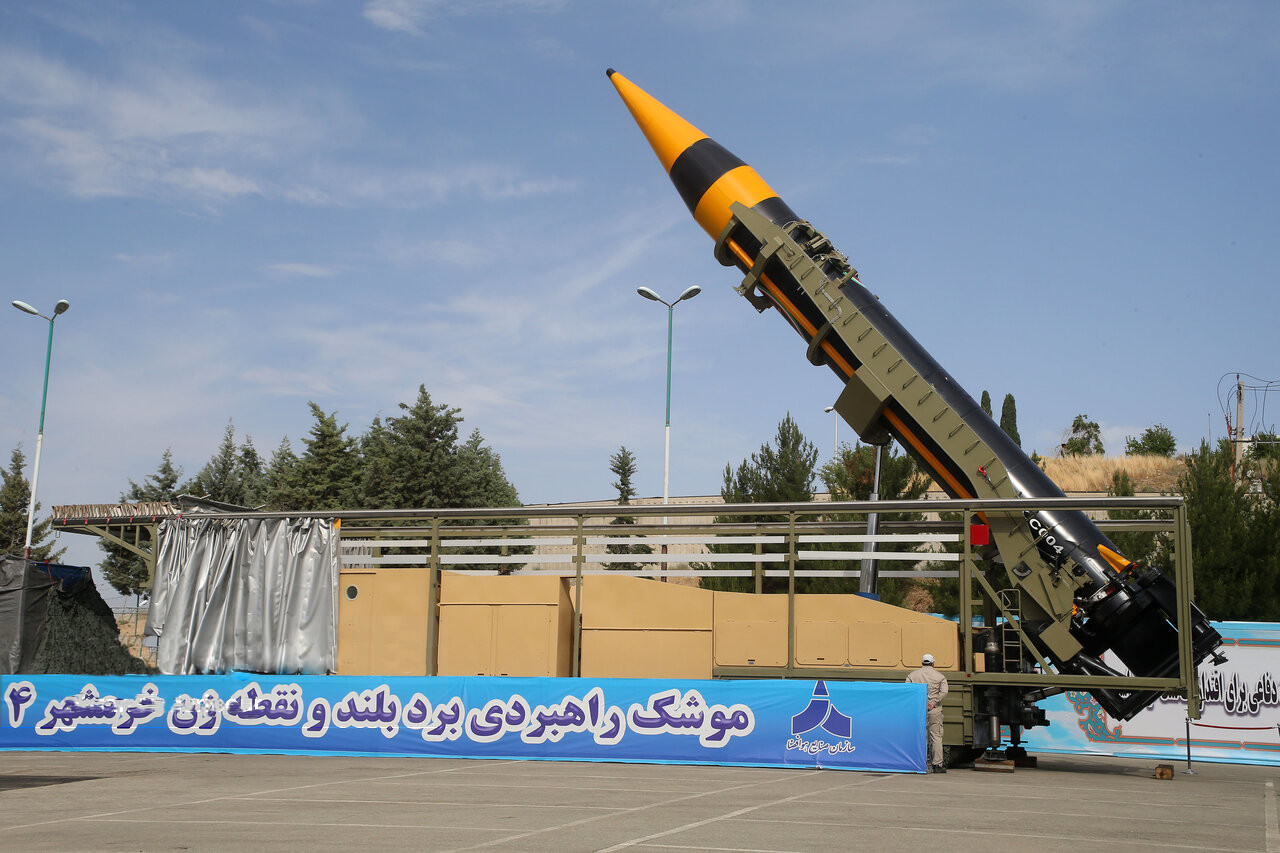
Even as the last Iranian naval vessels sink in the Persian Gulf, a more enduring threat survives: 1,000 ballistic missiles, still pointed at Berlin, Paris, Rome — and, if left unchecked, the heart of America.
Operation Epic Fury delivered a decisive military victory that conservatives celebrated as "peace through strength," crippling Iran's nuclear program and destroying its navy. Yet a glaring contradiction emerges as U.S. negotiators craft a 15-point ceasefire plan: Iran's ballistic missile program, the largest in the Middle East, remains legally unchallenged beyond vague future thresholds.
This is not merely a diplomatic technicality. It's a question of whether Americans and their allies will live with a hostile regime retaining weapons that could strike their cities years from now.
Tehran's position is unambiguous. Its five counter-demands explicitly include "no restrictions on ballistic missile program," a stance confirmed by Ali Shamkhani, head of Iran's Defense Council. "The missile capabilities of the Islamic Republic of Iran are non-negotiable," Shamkhani declared in February, establishing the regime's red line.
The Khorramshahr-4 missile's demonstrated 4,000-kilometer range puts every major European capital within direct threat. "Their range reaches European capitals — Berlin, Paris and Rome are all within direct threat range," said IDF Chief of General Staff Eyal Zamir in March, referencing Iran's recent strike on Diego Garcia. The U.S. proposal demands no destruction or permanent dismantlement of these systems.
A dangerous cost imbalance compounds the threat. Iran launches $30,000 drones and missiles while the U.S. spends millions per interception. Bahrain expended up to 87 percent of Patriot missiles, with UAE and Kuwait near 75 percent depletion, according to a JINSA report. The U.S. cannot defend allies indefinitely without missile limits.
The plan's self-defense loophole offers Tehran a legal backdoor. "Without a doubt, the regime will interpret that 'self-defense' phrasing as a license to continue producing its deadly offensive missiles," warns Mark Dubowitz, CEO of the Foundation for Defense of Democracies. Dubowitz and FDD research fellow Ben Cohen argue any truce leaving Iran's missile program intact risks the American homeland.
Iran's rebuild capacity threatens rapid resurgence. The nation rebuilt its arsenal from 1,500 to 2,500 missiles in eight months after the June 2025 war. With production exceeding 100 missiles monthly before the conflict, Iran could restore its arsenal without production facility destruction.
CIA Director John Ratcliffe testified on March 18 that Iran's missile technology "could eventually reach the continental United States if unimpeded." Secretary of State Marco Rubio noted Iran is "trying to achieve intercontinental ballistic missiles" capable of reaching the American mainland.
The U.S. proposal includes limits on Iranian missile programs' range and quantity, with specific thresholds to be determined at a later stage. The plan also restricts future use to self-defense. These ambiguous provisions provide Iran strategic breathing room.
Gulf allies face unsustainable defense burdens. Danny Citrinowicz of the INSS and Atlantic Council notes the problematic cost gap: "The Iranians are launching drones that cost around $30,000, and we are using missiles that cost millions of dollars to intercept them."
Iran currently possesses approximately 1,000 missiles, down from 2,500 at the conflict's start in late February, according to the Alma Research Centre. The regime maintains daily launch rates of about 10 missiles at Israel, reduced from dozens earlier in the campaign.
Press Secretary Karoline Leavitt acknowledged elements of the 15-point plan while disputing some details. Pakistan's Foreign Minister Ishaq Dar confirmed talks continue through Pakistani intermediaries. President Trump extended the Strait of Hormuz deadline to April 6 via Truth Social.
If the U.S. allows Iran to retain this arsenal, it does not merely risk future conflict. It guarantees a world where America must permanently defend allies from missiles Iran is legally permitted to build, and where the CIA's warning of mainland reach becomes inevitable.