Pakistan Leverages War to Secure US Concessions
As Iran denies involvement in peace talks, Pakistan hosts mediations and collects economic concessions while positioning itself as Washington's indispensable regional partner.
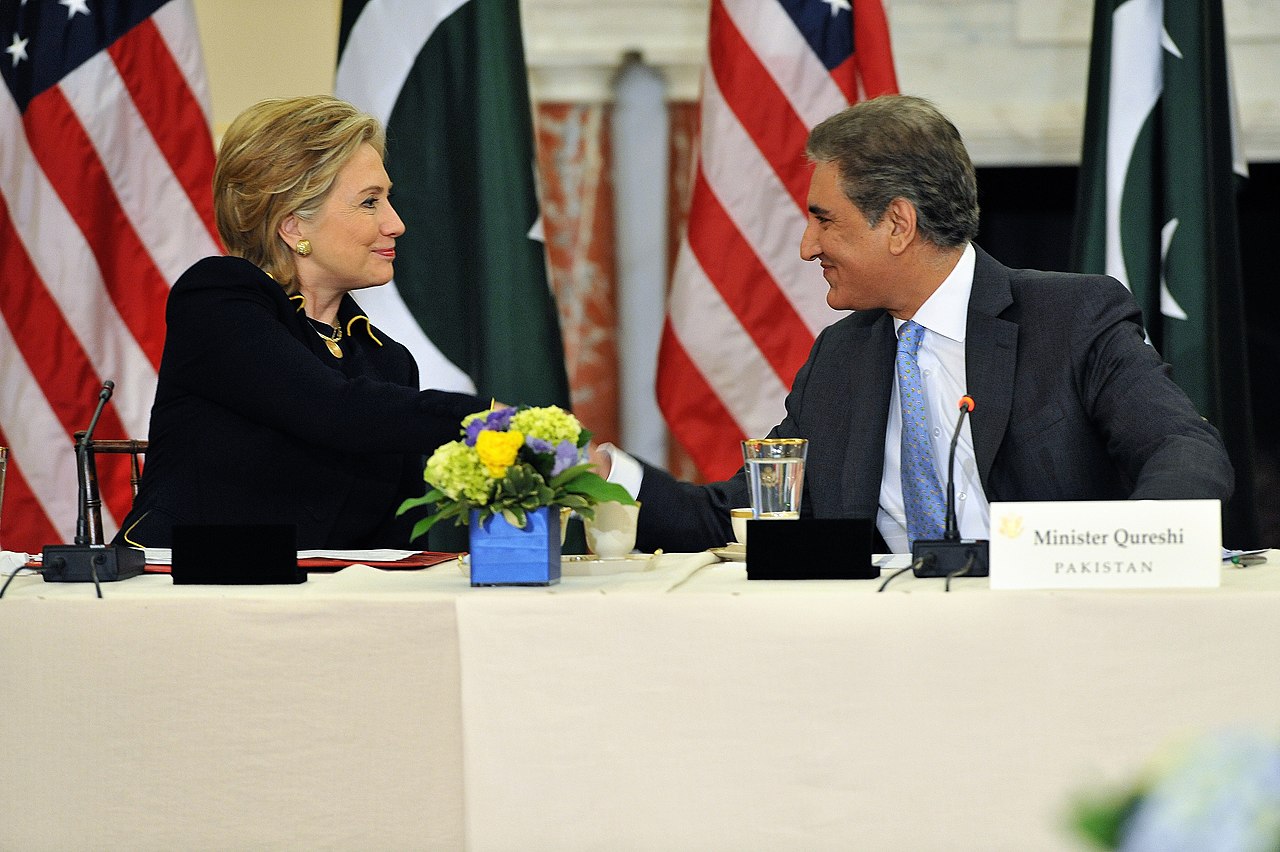
While Tehran insists it is not negotiating, Pakistan hosts the US-Iran peace process and quietly collects concessions that could reshape its economy and global standing. Iran's Foreign Ministry publicly denies participating in Pakistan-led talks, even as Iran allows 20 Pakistani-flagged ships through the Strait of Hormuz. This represents direct economic relief for a nation reeling from 20 percent fuel price hikes.
"Pakistan's forums are their own; we didn't participate," Iranian Foreign Ministry spokesperson Esmail Baghaei told India Today on March 30. "The meetings that Pakistan has are a framework that they established themselves, and we did not participate in."
Yet Pakistan has positioned itself as Washington's indispensable partner. Islamabad hosted a quadrilateral meeting with Saudi Arabia, Turkey, and Egypt on March 30. This forum operates without Iranian participation but with explicit US support. US Special Envoy Steve Witkoff confirmed Pakistan conveyed a 15-point US peace proposal to Iran. Pakistan refused to disclose whether Tehran received it directly or via intermediaries.
President Trump praised "great progress" in negotiations while extending his Hormuz deadline to April 6. "Great progress has been made," Trump told Foreign Policy on March 30. He added a military threat: "Maybe we take Kharg Island, maybe we don't. We have a lot of options. I don't think they have any defense. We could take it very easily."
Iran counters that Trump's diplomatic outreach masks invasion plans. "The enemy publicly sends messages of negotiation and dialogue while secretly planning a ground attack," Iranian Parliament Speaker Mohammad Bagher Qalibaf stated this week. Baghaei dismissed the US proposals as "unrealistic, illogical and excessive." He acknowledged receiving messages through intermediaries nonetheless.
Pakistan's mediation gambit coincides with economic desperation. Brent crude rose above $116 per barrel, up more than 50 percent since the war began on Feb. 28. More than 3,000 people have been killed across the region. Pakistan faces dual pressure: millions of its citizens work in Gulf states, sending remittances roughly equal to Pakistan's total export earnings. The nation shares a 900-kilometer border with Iran where 15 to 20 percent of Pakistan's 250 million population are Shia Muslims.
Islamabad maintains calculated ambiguity. It holds a binding defense pact with Saudi Arabia signed Sept. 17, 2025. The agreement features an Article 5-style mutual defense clause. Yet Pakistan refuses to invoke the pact despite Iranian ballistic missile strikes on Saudi soil in early March. This dual alignment allows Pakistan to avoid choosing sides while extracting concessions.
"Pakistan hosting US-Iran talks represents a major upgrade in Islamabad's strategic standing," said Kamran Bokhari of the Middle East Policy Council. "After decades of being a troubled state, Pakistan appears to be re-emerging as a major American ally in West Asia."
"From Pakistan's point of view, it's a win-win," Haqqani told the Wall Street Journal. "Whether there is a deal or there isn't."
The diplomatic push accelerated on March 31 as Pakistan's Foreign Minister Ishaq Dar visited Beijing to discuss mediation with Chinese Foreign Minister Wang Yi. This underscores Islamabad's strategy of building multiple backchannels rather than relying on a single conduit. China supports Pakistan's mediation but maintains its own complex relationships with both Washington and Tehran.
Pakistan's economic incentives are tangible. The 20 Pakistani vessels cleared through the Strait of Hormuz represent immediate relief for a nation dependent on Middle Eastern oil and gas. Longer term, Pakistan seeks restored relationships with Washington after years of strained ties over Afghanistan and counterterrorism.
The mediation carries high stakes. "Iran suspects that the diplomatic process could serve as a smokescreen for a ground assault," said Masood Khan. Military pressure mounts as 2,500 US Marines arrived in the Middle East aboard USS Tripoli this week. An additional 2,200 Marines and 2,000 troops from the 82nd Airborne Division remain en route.
Pakistan's balancing act faces internal contradictions. The country maintains no diplomatic relations with Israel due to Palestinian statehood issues. This complicates any comprehensive regional settlement. Pakistan's military chief visited Riyadh in early March following Iranian strikes but stopped short of activating the defense pact.
Experts warn Pakistan's mediation could collapse if Tehran concludes it is being used as a smokescreen. Alternatively, Washington could realize it is being played by a state with deep ties to radical Islamist factions. "The conflict poses some of the biggest economic and energy security challenges in Pakistan's history," said Islamabad-based security analyst Syed Mohammad Ali.
For now, Pakistan leverages regional chaos into diplomatic advantage. As the April 6 deadline approaches, Islamabad positions itself as the indispensable broker Washington cannot afford to lose. The nation collects concessions while publicly denying direct negotiations with Tehran.