Spain Euthanizes 25-Year-Old After State Failed Her
Noelia Castillo Ramos, 25, died by euthanasia Thursday after 13 years in state care. Her case exposes failures in Spain's family courts and mental health system under progressive policies.
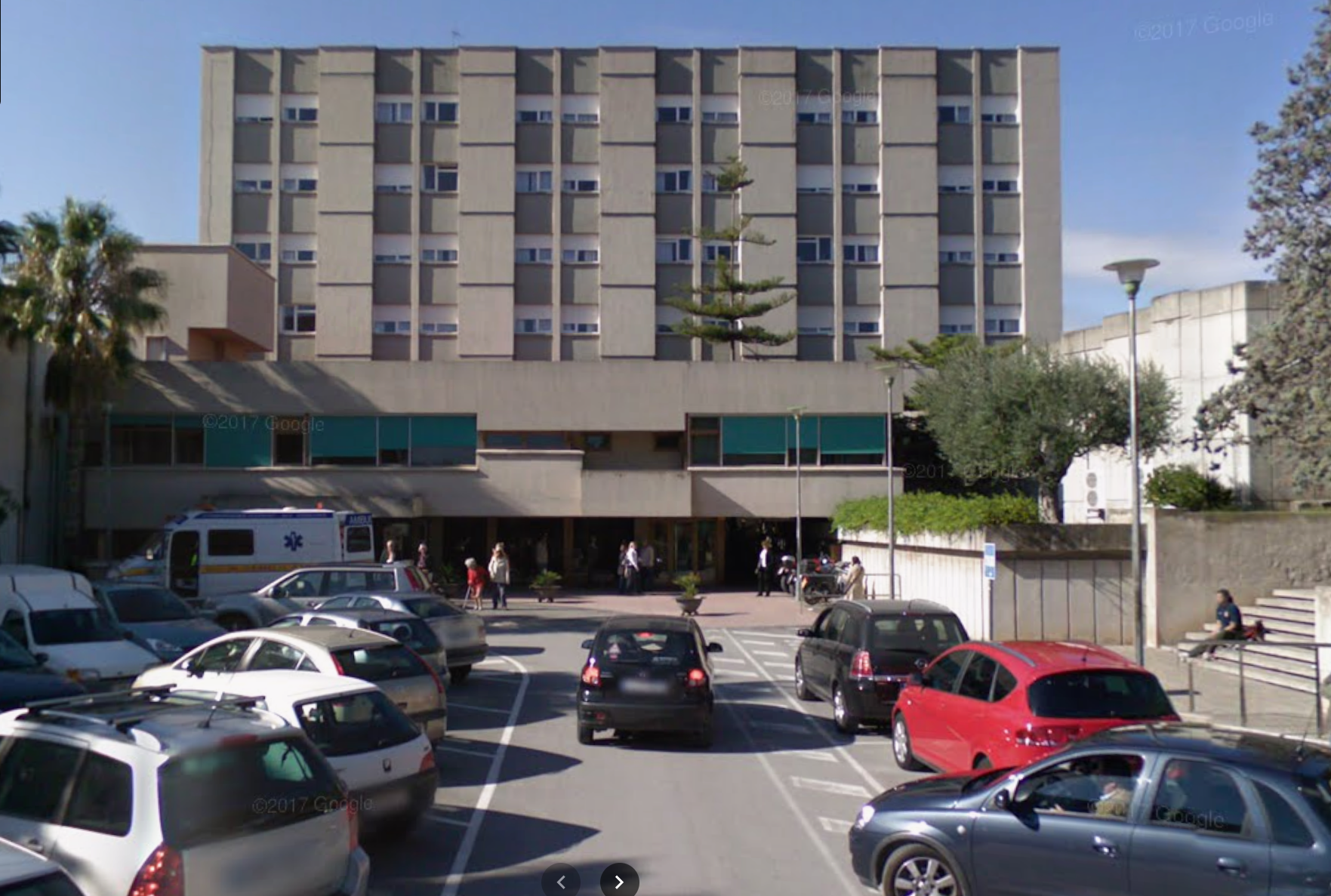
Noelia Castillo Ramos chose to die alone Thursday evening at a healthcare centre in Sant Pere de Ribes near Barcelona, dressed in her prettiest clothes with childhood photos beside her. Her death by lethal injection marked the final chapter in a 13-year tragedy that began when the Spanish state removed her from her parents and ended with the same state approving her euthanasia.
At 25, Castillo selected death as her only escape from unbearable suffering that escalated under state care. Social services placed her in institutional settings where the state failed to protect her from repeated trauma.
Spain's 2021 euthanasia law passed under a socialist-led coalition to allow terminally ill patients to die with dignity. The Organic Law 3/2021 requires a "serious, chronic, disabling condition" and "intolerable suffering" with proven mental capacity. The law was not designed for psychiatric patients whose suffering originated from state neglect.
Castillo developed borderline personality disorder and obsessive-compulsive disorder by age 15 while under state supervision. In 2022, she endured two sexual assaults — one by an ex-boyfriend, another by three men. She never reported the attacks.
"I didn't report it because it was days before I tried to kill myself," Castillo told interviewers later.
In October 2022, she survived a suicide attempt by jumping from a fifth-floor window, leaving her paraplegic with severe spinal cord injury.
Castillo requested euthanasia in April 2024. Her application was approved by the Catalan Guarantee and Evaluation Commission in July 2024. The commission's review never fully examined her decade-long psychiatric history or explored intensive rehabilitation alternatives.
Her father Gerónimo Castillo launched a legal battle arguing his daughter's mental illness compromised her capacity to consent. Five courts dismissed his appeals, including Spain's Constitutional Court in February 2026 and the European Court of Human Rights on March 10.
"The State separated her from her parents — who loved her — yet failed to protect, shelter, or provide her with psychological or emotional support," bestselling Spanish author Irene González stated on X. "She was a vulnerable young woman whom the State left in a state of absolute defenselessness; its solution is simply to get her out of the way."
A Barcelona judge denied the father's final emergency injunction Thursday afternoon. By 6 p.m., medical staff administered three intravenous injections that induced deep sedation followed by cardiac arrest. The procedure lasted 20 minutes.
"This is a young girl who has had a lot of problems, and obviously a very difficult life and we all regret this," said José María Fernández Abril, lawyer for Christian Lawyers. "But the only thing the health system has been able to provide her with has been death."
The case mirrors the 2023 euthanasia of 17-year-old Milou Verhoof in the Netherlands. Both young women suffered sexual assaults while under state care, developed severe psychiatric conditions, and received euthanasia after years of institutional failure.
The Netherlands recorded 30 psychiatric euthanasia cases among people aged 15-29 in 2024. Spain completed 426 euthanasia procedures that same year under the 2021 law championed by Prime Minister Pedro Sánchez's socialist coalition.
"We think Noelia should have received treatment a long time ago for her mental health problems," Fernández Abril added. "Before offering death, they must ensure that they have offered every alternative for life."
Castillo's disability rating increased from 67 percent due to mental illness to 74 percent after her 2022 suicide attempt. Her final interview aired March 25 on Antena 3, where she stated, "I want to leave in peace already and stop suffering, period."
Christian Lawyers filed complaints against seven members of the Catalan guarantees commission and former Catalan health minister Josep María Argimón for alleged conflicts of interest. The organization announced it would pursue further legal action.
"The legal system has failed," Fernández Abril argued. "The euthanasia legislation is being applied as an applied suicide law."
Vox party leader Santiago Abascal framed the case as symptomatic of government failures. "The State takes a daughter from her parents. The unaccompanied foreign minors rape her. And the solution the State gives her is to commit suicide," he stated.
The Spanish Episcopal Conference condemned the procedure. "If provoked death is the solution to problems, then everything is permitted," stated Archbishop Luis Argüello of Valladolid. "A doctor cannot be the executing arm of a death sentence, no matter how legal, empowered, or compassionate it may seem."
Castillo's mother Yolanda Ramos expressed opposition but supported her daughter's choice. "I do not agree, but I will always be by her side," she said before the procedure.
Noelia Castillo's death completes a pattern where progressive policies — from family court interventions to expanded euthanasia access — converge with devastating consequences. The state that removed a child from her home, failed to protect her from predators, and neglected her psychiatric care ultimately provided the lethal injection that ended her life.