US Prepares 10,000 Troop Surge as Iran War Deadline Nears
Pentagon readies ground troop surge to Persian Gulf as Iran refuses peace talks and Russia ships lethal drones toward Tehran before Saturday's ultimatum expires.
The Pentagon is preparing to deploy 10,000 additional ground troops to the Persian Gulf as Iran vows resistance and Russia begins shipping lethal drones to Tehran, setting the stage for a critical military decision before Saturday's deadline.
White House and Pentagon planners are reviewing concrete options for a final blow to end Operation Epic Fury, including seizing Kharg Island, Iran's main oil export hub that handles 90 percent of the country's crude exports. President Donald Trump extended his pause on strikes against Iranian energy infrastructure to April 6, warning Tehran Thursday to get serious about negotiations before it is too late.
Our policy is to continue resistance and defend the country, and we have no intention of negotiating, Iranian Foreign Minister Abbas Araghchi declared on state television March 25. He rejected a 15-point U.S. peace proposal delivered via Pakistan. Iran submitted five counter-conditions including an end to U.S.-Israeli aggression and compensation for war damages.
Russia has begun transferring Geran-2 drones to Iran in the first confirmed lethal weapons transfer since the war began. The Kremlin neither confirmed nor denied the shipment, which follows Israel's March 18 strike on Bandar Anzali port targeting Russia-Iran supply lines.
Trump's public statements contrast sharply with internal Pentagon assessments. We've already won the war. Militarily, we've totally won the war, Trump told Fox News March 26.
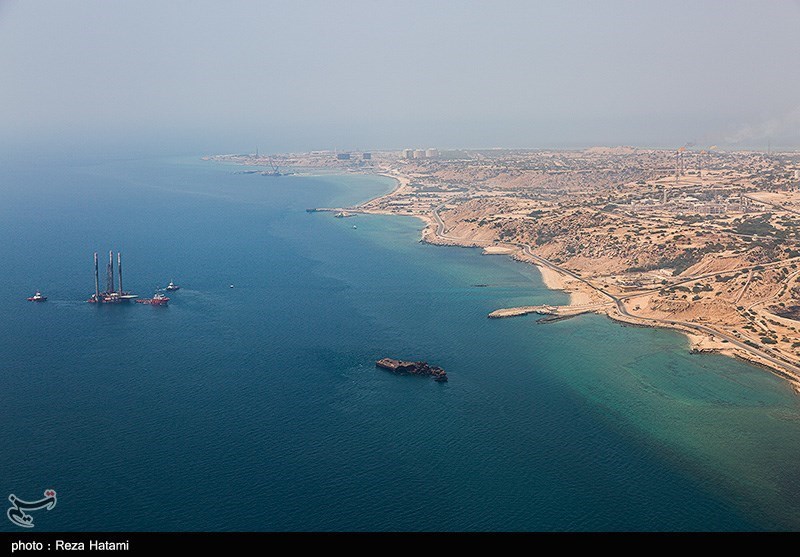
Kharg Island represents the linchpin of Iran's economic survival. The five-mile stretch of land 15 miles off Iran's coast holds an estimated 18 million barrels of oil in its 30-million-barrel storage capacity. Iran earned approximately $46.8 billion from oil exports in 2024, with Kharg generating the majority. The island's defenses include anti-personnel and anti-armor mines along shorelines and man-portable air defense systems.
Once in position off Kharg, the Marines would need ironclad air and sea superiority over at least 100 miles around the island, said Admiral James Stavridis, former NATO Supreme Allied Commander. Iranians are clever and ruthless. They will do everything they can to inflict maximum casualties on U.S. forces.
Neil Quilliam of Chatham House warned that Iranian leadership sees the Strait of Hormuz as its strongest leverage point. Iran would rather lose Kharg Island and retain the ability to keep the strait effectively closed than enter negotiations over it, Quilliam told Foreign Policy's SitRep.
Diplomatic backchannels continue despite public rejections. Pakistani Foreign Minister Ishaq Dar confirmed March 27 that US-Iran indirect talks are taking place through messages being relayed by Pakistan. Vice President JD Vance may travel to Pakistan this weekend for backchannel talks, though Iranian officials reportedly distrust Trump envoy Steve Witkoff and former adviser Jared Kushner.
The Strait of Hormuz crisis has global economic consequences. Brent crude oil trades around $100 per barrel as the strait, which carries 20 percent of global oil and gas, remains effectively blocked. Iran is already charging fees for safe passage in violation of international law, Gulf Cooperation Council Secretary-General Jasem Mohamed al-Budaiwi stated this week.
Sultan al-Jaber, CEO of Abu Dhabi National Oil Company, framed the stakes for free markets. When Iran holds Hormuz hostage, every nation pays the ransom, at the gas pump, at the grocery store and at the pharmacy, al-Jaber told the Middle East Institute. No country can be allowed to destabilize the global economy in this way.
The coming 24 hours will determine whether Washington chooses a decisive, high-risk operation to break Iran's economic chokehold or risks a prolonged quagmire. With Iran's conventional military effectively destroyed, as Vice President Vance noted in a White House cabinet meeting, the administration faces a choice between demonstrating overwhelming force and accepting the consequences of occupying sovereign territory.