Trump's Iran Ultimatum: World Braces for Military Confrontation
President Trump warns Tehran to negotiate before it's too late as U.S. forces prepare for potential ground operations amid escalating Middle East tensions and soaring oil prices.
President Trump issued a stark warning to Iran on Thursday, telling Tehran to "get serious soon, before it is too late, because once that happens, there is NOT TURNING BACK." U.S. forces are preparing for potential ground operations while a five-day pause on strikes against Iranian energy infrastructure expires Saturday.
The ultimatum arrived hours after Israel killed Iran's top naval commander, marking the latest escalation in a high-stakes standoff. Washington demands immediate concessions while Tehran denies any negotiations are occurring.
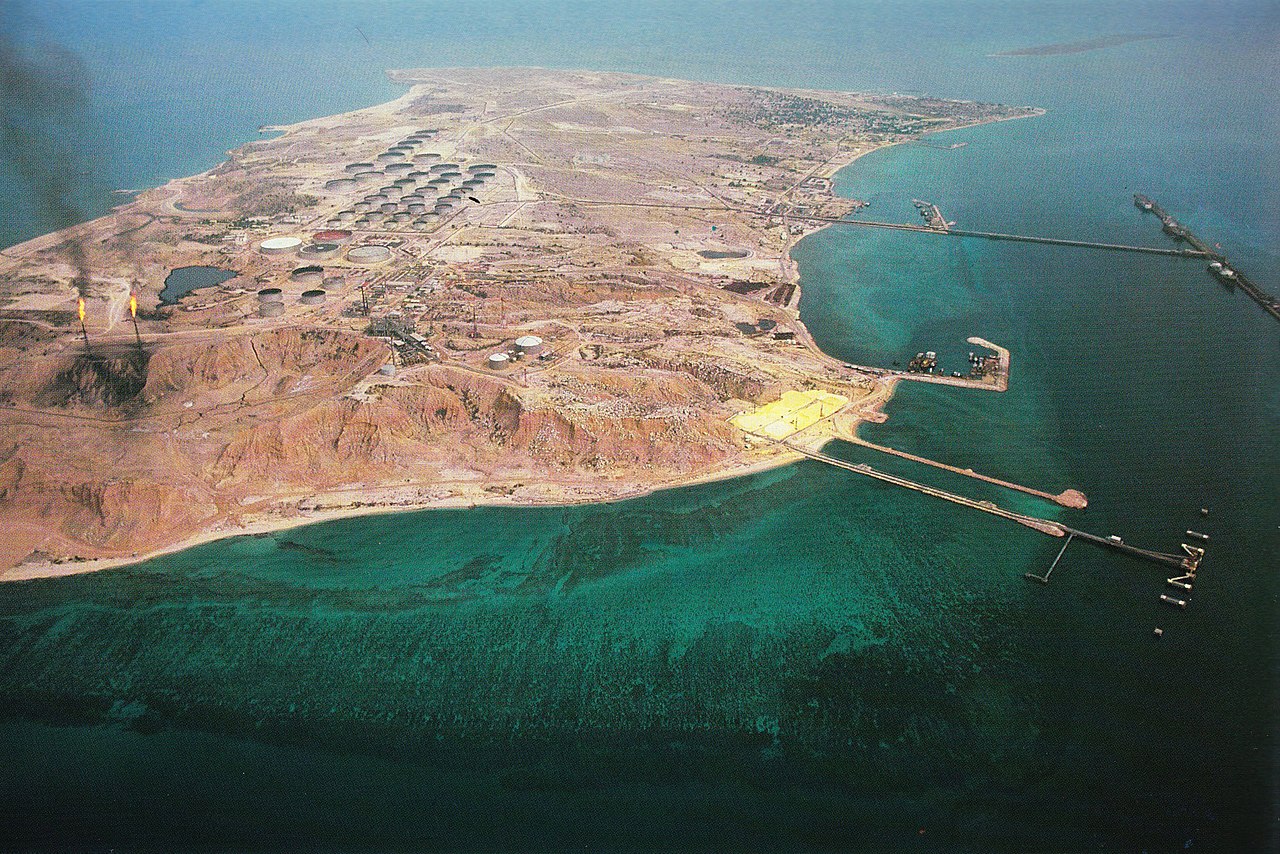
White House and Pentagon officials are weighing options for what one official called a "final blow." Plans include seizing Kharg Island, which handles 90 percent of Iran's crude exports, or launching ground operations inside Iran to secure nuclear material.
Israel Defense Minister Israel Katz announced Wednesday that Israeli forces killed IRGC Navy Commander Alireza Tangsiri. He called Tangsiri "the man who was directly responsible for the terrorist operation of mining and blocking the Strait of Hormuz to shipping."
Iran responded with retaliatory strikes on key oil refineries in Saudi Arabia and Kuwait. The attacks have spread destruction across the region's critical energy infrastructure.
Gulf Cooperation Council Secretary-General Jasem al-Budaiwi condemned Iran's actions Thursday. "They closed the Strait of Hormuz and imposed fees for passing through it, which is an aggression and a violation of the United Nations agreement on the law of the sea."
Iran has not lifted a single mine from the critical waterway that normally carries 20 percent of global oil and gas trade. Ships navigate at their own risk through waters that once flowed freely.
The escalating conflict puts the world on the brink of a military confrontation that could trigger a global energy crisis. Brent crude traded at $100.61 per barrel Thursday.
International Energy Agency head Fatih Birol reported 40 energy assets across nine countries severely or very severely damaged. The destruction spans from power plants to refineries, choking regional economies.
Iranian Foreign Minister Abbas Araghchi flatly denied any negotiations. "Our policy is the continuation of resistance," Araghchi stated. "We do not intend to negotiate."
Iranian Parliament Speaker Mohammad Bagher Qalibaf echoed that position. He called reports of talks "fake news" used to "manipulate the financial and oil markets and escape the quagmire in which the U.S. and Israel are trapped."
Diplomatic backchannels remain active despite Iran's public denials. Pakistan Foreign Minister Ishaq Dar confirmed Wednesday that "U.S.-Iran indirect talks are taking place through messages being relayed by Pakistan."
The U.S. has delivered a 15-point ceasefire plan to Tehran via Islamabad. The proposal covers sanctions relief, nuclear program curbs, and guarantees for shipping through the Strait of Hormuz.
Credible but unconfirmed reports suggest Vice President JD Vance may travel to Pakistan this weekend for backchannel talks with Iranian intermediaries. This represents the most plausible diplomatic off-ramp before military action escalates further.
Pentagon planners are preparing multiple options for what one official described as a "final blow." The most dramatic include seizing or blockading Kharg Island, taking control of islands at the mouth of the Strait of Hormuz, or launching ground operations inside Iran to secure nuclear material.
U.S. troop movements underscore the seriousness of preparations. Approximately 2,200 Marines from Okinawa are en route to the Middle East aboard the USS Tripoli.
An additional 2,500 Marines are deploying from California. Elements of the 82nd Airborne Division are also being deployed.
Iran has fortified Kharg Island with MANPADS and anti-personnel mines in anticipation of possible U.S. attack. The island normally handles between 1.1 and 1.5 million barrels of crude oil daily, most destined for China.
The economic stakes extend far beyond the Persian Gulf. Japan announced it is releasing 30 days of state oil reserves following earlier releases from its private sector.
Qatar has declared force majeure on major LNG contracts after 17 percent of its liquefied natural gas capacity was destroyed at Ras Laffan. Recovery is estimated to take three to five years.
Iran's Deputy Health Minister Ali Jafarian confirmed Thursday that at least 1,937 Iranian civilians have been killed during the war. That includes 240 women and 212 children whose lives ended in the crossfire.
Another 24,800 people have been wounded, including around 4,000 women and 1,621 children. Families across Iran grapple with loss and injury as the conflict drags on.
A geopolitical clock ticks in the background. Trump must resolve the conflict before his rescheduled summit with Chinese President Xi Jinping in Beijing on May 14-15.
White House Press Secretary Karoline Leavitt said that "we have always estimated approximately four to six weeks" for the war's duration. The administration expects hostilities to conclude by mid-May.
The administration faces a strategic paradox. Trump wants a rapid resolution to claim victory before meeting Xi, but Pentagon planners warn that ground operations could create a quagmire dwarfing Afghanistan and Iraq combined.
Iran's five conditions for negotiations include recognition of its "natural, legal right" over the Strait of Hormuz. Tehran also demands guaranteed war reparations and an end to all fighting against its proxies including Hezbollah.
Israeli Prime Minister Benjamin Netanyahu has reportedly sent adviser Ron Dermer to Washington to influence any emerging agreement and ensure it addresses Israel's concerns. Israel seeks regime change in Tehran and permanent weakening of Iran's military capabilities.
For now, the world watches as two adversaries engage in a deadly game of brinkmanship with global energy supplies hanging in the balance. The five-day pause on strikes ends Saturday, leaving little time for Iran to decide whether its defiance represents strategic posturing or a fatal miscalculation as U.S. forces move into position.