Trump Declares Iran Nuclear Victory
President Trump announces Iran's nuclear program has been obliterated, with U.S. forces preparing to withdraw within weeks after decisive military strikes reshaped Middle East security.
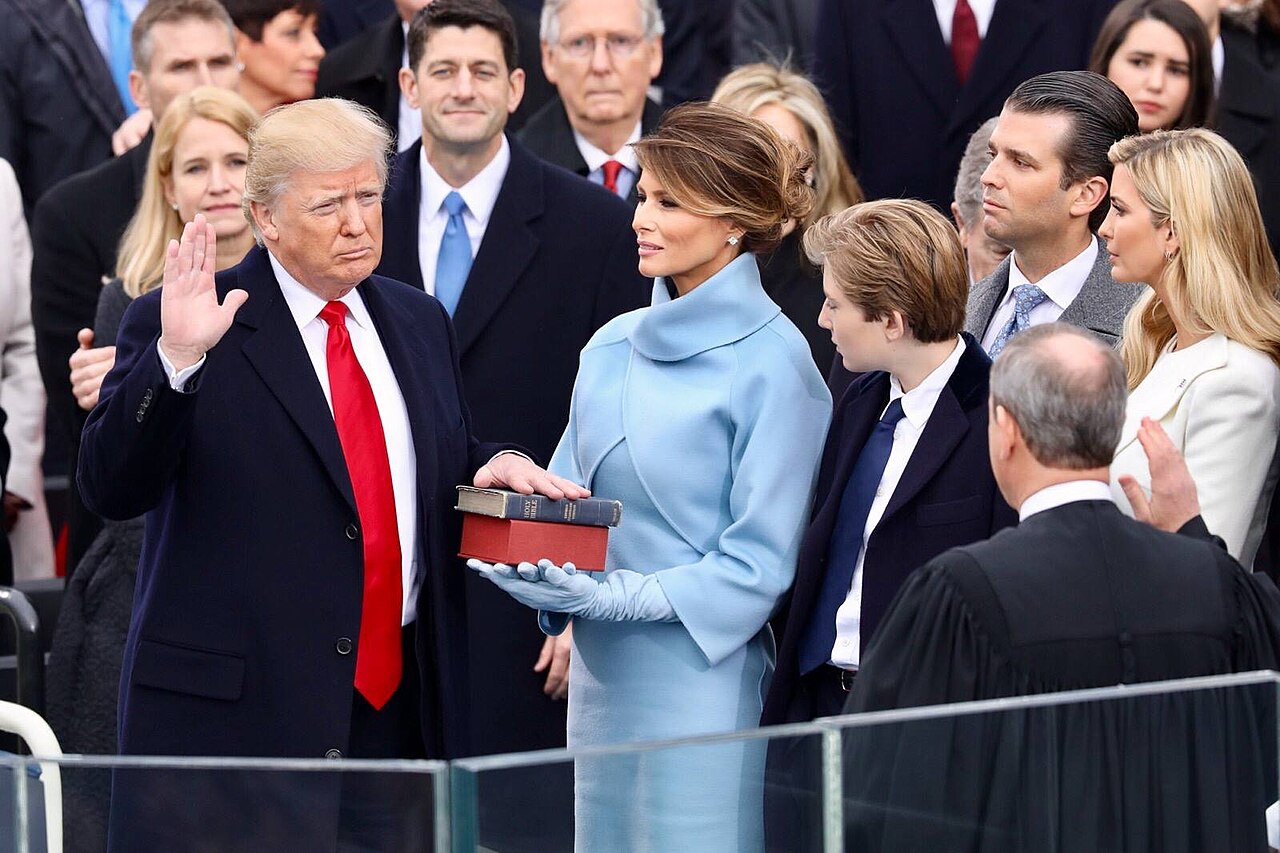
President Donald Trump declared Iran's nuclear weapons program "obliterated" in June 2025, and will provide an update on the Iran war in a prime-time address tonight at 9 p.m. ET. The announcement comes as U.S. forces prepare to withdraw within weeks following a decisive bunker-buster strike on Iran's military-industrial complex in Isfahan. Families across America wait to hear when their deployed loved ones can come home.
Trump told reporters Tuesday that "I had one goal. They will have no nuclear weapon. And that goal has been attained." He stated American troops could leave in "two weeks, maybe three" without requiring any formal agreement with Tehran. This declaration represents a wholesale rejection of the Obama-era Joint Comprehensive Plan of Action, which Trump withdrew the United States from in 2018.
The administration's claims rest on an intensive military campaign that has struck more than 11,000 Iranian targets since Operation Epic Fury began Feb. 28. CENTCOM Commander Adm. Brad Cooper confirmed Monday that 92 percent of Iran's largest naval vessels have been destroyed and two-thirds of its missile and drone production facilities damaged or eliminated. The campaign included 14 bunker-buster bombs dropped on Fordo, Natanz and Isfahan nuclear sites in June 2025, an operation military analysts say crippled Iran's enrichment capability.
Trump posted on Truth Social on March 31: "Iran has been, essentially, decimated. The hard part is done. Go get your own oil!" He reiterated his position that "Iran doesn't have to make a deal" for the conflict to end. "When we feel that they are — for a long period of time, put into the Stone Ages, and they won't be able to come up with a nuclear weapon, then we'll leave."
Iranian officials flatly deny negotiations are underway despite U.S. claims of progress. Foreign Minister Abbas Araghchi told Al Jazeera on March 31 that "the trust level is at zero" between the nations. The Islamic Revolutionary Guard Corps escalated tensions Monday by threatening 18 U.S. tech firms including Apple, Google and Meta, advising employees to "immediately leave their workplaces to preserve their lives."
Global energy markets have convulsed since Iran effectively closed the Strait of Hormuz to most vessels. Brent crude prices surged from approximately $72 per barrel to $116. U.S. gas prices reached approximately $4 per gallon on April 1, their highest level since 2022. Iran now permits passage through the critical waterway only to "friendly" nations including China, Russia, India and Pakistan.
The White House faces skepticism about whether military strikes can permanently eliminate nuclear capabilities given Iran's extensive underground facilities. No independent verification exists of damage assessments, and experts question whether bunker-buster munitions penetrated deeply enough to destroy centrifuge vaults at sites like Fordow. The administration's claims rest entirely on U.S. military intelligence rather than international inspections.
Thirteen American service members have been killed and 349 injured during Operation Epic Fury, according to Pentagon figures released Monday. The conflict has involved 50,000 U.S. troops deployed across the Middle East, supported by three aircraft carrier strike groups. Mothers, fathers, and spouses watch the clock for any sign that their family member has returned safely.
Secretary of State Marco Rubio framed the operation as preventing Iran from becoming "the next North Korea." Defense Secretary Pete Hegseth told reporters that "the next few days will be decisive" but emphasized the administration's willingness to "negotiate with bombs" if necessary.
European Energy Commissioner Dan Jorgensen warned Monday that EU governments should prepare for "potentially prolonged disruption" to energy markets. The continent's natural gas prices have risen 70 percent since the conflict began. United Nations Secretary-General António Guterres urged an immediate end to hostilities, calling the Strait of Hormuz closure "choking the movement of oil, gas and fertilizer at a critical moment."
Tonight's address represents Trump's most direct assertion that maximum pressure tactics have succeeded where multilateral diplomacy failed. The president's timeline suggests a rapid drawdown of forces regardless of whether Tehran accepts Washington's terms, signaling an unprecedented unilateral conclusion to a conflict that reshaped global security architecture. Tonight, millions of Americans will tune in to learn whether their sacrifice has bought their country peace.